BY GREY NOLAN
The craniocervical junction (CCJ) is a complex transitional region between the base of the skull and the upper cervical spine. It is comprised of the occiput, atlas, and axis and plays a vital role in craniospinal hydrodynamics, the relationship between blood and cerebrospinal fluid volume, pressure, and flow in the compartments of the cranial vault and spinal canal. The CCJ also encloses the encephalic vasculature of the central nervous system. Housing such important system components, it isn’t surprising that any damage to this area of the spine can lead to numerous neurologic symptoms, many of which mimic the symptoms of brain injury.
In recent years studies have shown that injury to the CCJ may cause or contribute to symptoms of mTBI, including headache, dizziness, balance and coordination problems, cognitive deficits, fatigue, insomnia, and emotional changes such as irritability, depression, and anxiety. In 2015, Dr. John Leddy and his team at the University of Buffalo published an article suggesting just that and other articles have followed adding credibility to Dr. Leddy’s findings. For example, the Journal of Sports Medicine wrote about the topic in an article titled Cervical Spine Involvement in Mild Traumatic Brain Injury: A Review. In this article, the author wrote “following a trauma, structures such as the cervical spine, the vestibular ocular system, and the temporomandibular joint can be injured.” The article also notes that “neck pain, headaches, dizziness, and balance dysfunction are common symptoms associated with both mTBI and cervical spine injury.” Addressing neck injuries, the article suggests, may lead to better mTBI recovery.
A leading researcher in the chiropractic field, Dr. Scott Rosa, has also written about how injury to the CCJ may cause or contributor to mTBI symptoms. He refers to this as “Craniocervical Junction Syndrome” and has treated many high-profile patients, including Jim McMahon, former Chicago Bills quarterback.
While randomized controlled trial testing on this hypothesis is currently in progress, the notion raises the question of how MRIs should be performed when diagnosing mTBI. Doctors typically order an MRI of the skull in a patient showing symptoms of brain injury, however, it is possible, based on the articles aforementioned, that an MRI of the cervical spine would help in developing an effective treatment plan for mTBI patients.
BY APRIL DANIELS
Traumatic brain injury rapidly induces inflammation. This inflammation is produced both by endogenous brain cells and circulating inflammatory cells. Together they drive the inflammatory response — when damaged cells release chemicals including histamine, bradykinin, and prostaglandins. These chemicals cause blood vessels to leak fluid into the tissues, causing swelling.
Even after the initial injury, a prolonged state of brain inflammation may linger for years. Eating an anti-inflammatory diet can counteract long and short term inflamation.
The basics of an anti-inflammatory diet include: Eating more plants; whole plant foods have the anti-inflammatory nutrients that your body needs. So eating a rainbow of fruits, veggies, whole grains and legumes is the best place to start.
Incorporating antioxidants; they help prevent, delay or repair some types of cell and tissue damage. They’re found in colorful fruits and veggies like berries, leafy greens, beets and avocados, as well as beans and lentils, whole grains, ginger, turmeric and green tea.
Eating Omega-3s; omega-3 fatty acids play a role in regulating your body’s inflammatory process and could help regulate pain related to inflammation. Find these healthy fats in fish like salmon, tuna and mackerel, as well as smaller amounts in walnuts, pecans, ground flaxseed and soy.
Eating less red meat; red meat can be pro-inflammatory. Are you a burger lover? Aim for a realistic goal. Try substituting your lunchtime beef with fish, nuts or soy-based protein a few times a week.
Eliminating processed foods; sugary cereals and drinks, deep-fried food, and pastries are all pro-inflammatory offenders. They can contain plenty of unhealthy fats that are linked to inflammation. But eating whole fruits, veggies, grains and beans can be quick if you prep ahead for multiple meals.
In addition to healing damage caused to the brain immediately following TBI, an anti-inflammatory diet also minimizes the potential for post TBI conditions such as fatigue, depression, anxiety, migraine, seizures, and thoughts about suicide.
BY LAURA TRESCOT
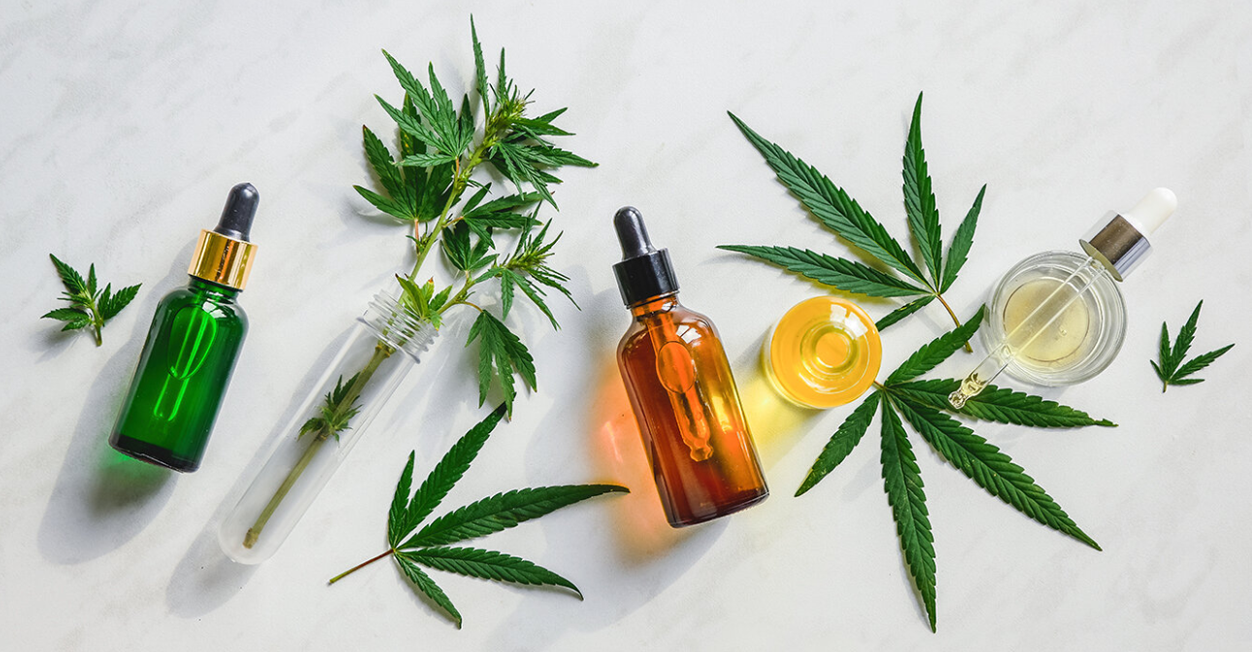
CBD products are extracted from hemp or marijuana, which are essentially the same cannabis plant but are cultivated differently, hemp plants being grown to contain less than 0.3% THC. Numerous clinical trials in which TBI patients are being treated with CBD oil from hemp, which has virtually no THC, are showing positive results.
In the United States, the first big study on cannabinoid treatment for concussion is being done by the University of Miami which received a $16 million grant for the research. The study is a five-year, three-stage study that will assess the effectiveness of a new cannabinoid-based pill to treat concussion injuries. This partnership aims to propel this research and potential treatment forward by using two classes of drugs in a combination that scientists believe will reduce brain inflammation and the immune response. The study will also test the cannabinoid-based pill on a small pilot group of acute and chronic TBI patients.
Another new study being conducted at the University of Miami is investigating if using a pill form of cannabidiol (CBD) and the psychedelic drug psilocybin effectively treats and possibly prevents symptoms of two conditions that commonly occur together: mild traumatic brain injury (mTBI) and posttraumatic stress disorder (PTSD). Up to 40% of people impacted by TBI also suffer from PTSD, according to a University of Miami press release. A pre-clinical trial on animals is in progress. The university expects this phase to last around 9 to 12 months. He hopes to transition to human clinical trials and file the treatment with the FDA in 2021.
A study published in Brain Injury in October 2019 found that even though cannabis use didn’t affect concussion recovery time, cannabis use was associated with a lower symptom burden in the third and fourth weeks after injury.
A December 2018 study in the journal Neurology indicates that medical cannabis (marijuana) helps concussion patients with concussion symptoms, especially pain, mood, sleep, and quality of life. The study also specifies the optimal forms of medical cannabis for the patients in the study, in terms of ratios of CBD to THC, and methods of intake, such as a tincture (oral) or a vapor pen (inhaling).
Certain plasma microRNAs could serve as diagnostic biomarkers in mild traumatic brain injury, a new study shows. The biomarkers were discovered in an animal model and they were successfully used also to diagnose mild traumatic brain injury in a subgroup of patients.
Mild traumatic brain injury is difficult to detect by contemporary conventional imaging methods. Most patients do not exhibit visible structural damage to the brain. Even without visible structural damage, it is extremely important to diagnose mild traumatic brain injury since patients’ ability to work and their overall quality of life might become deteriorated. There is a major unmet medical need to identify accurate, affordable, and widely accessible diagnostic biomarkers that could be used to better diagnose patients with mild traumatic brain injury and to guide them to symptomatic, timely, and rehabilitative treatment.
Blood-based biomarkers enable minimally invasive and cost-effective diagnostics. Earlier studies have shown that many biomarkers hold promise for characterizing the severity of traumatic brain injury, and they can provide molecular-level information about the ongoing pathological changes. In the newly published study, researchers set out to find microRNAs that could serve as biomarkers to diagnose traumatic brain injury. MicroRNAs, or miRNAs, are small RNA molecules that regulate the expression of protein-coding genes. Blood plasma samples were sequenced from an animal model both after mild and severe traumatic brain injury. The miRNAs showing the greatest potential based on the sequencing data were selected for further analysis.
“We have been developing a suitable analysis and measurement method especially for miRNAs that can be found in small amounts in plasma, and this method is based on digital droplet PCR,” Dr. Noora Puhakka from the A. I. Virtanen Institute for Molecular Sciences at the University of Eastern Finland says.
“Humans and animals share many identical miRNAs, and this makes them excellent candidates for translational studies, where results achieved in animal models are sought to be applied in humans. However, it has proven challenging to reproduce results from different studies and different sets of data. This is why assessing the quality of measurement methods, and reproducibility is an extremely important part of biomarker research.”
The objective of the newly published study was to identify plasma miRNA biomarkers that are sensitive and specific to mild traumatic brain injury in an animal model and to explore whether they could also be used to diagnose mild traumatic brain injury in humans.
BY GEORGE PLATT
Acupuncture is a traditional Chinese practice that is primarily used to treat chronic pain. However, it can also relieve the anxiety, depression, and insomnia that often affect patients after a traumatic brain injury (TBI). This makes acupuncture a possibly beneficial practice for brain injury survivors.
Acupuncture originated in China over 2,000 years ago. It involves placing thin needles into the skin at certain points in the body. These points, called meridians, are thought to trigger the body’s natural healing responses.
According to traditional Chinese medicine, the body has a natural flow of energy called qi. When qi gets congested, a person can become susceptible to pain, anxiety, and disease. By puncturing the body in the correct spots, acupuncture can clear away the congestion and restore the body’s natural balance. A more modern way of explaining how this works is that acupuncture gently stimulates the nerves and causes an inflammatory response. These responses activate the body’s natural healing process.
Perhaps the most exciting benefit that acupuncture can offer brain injury patients is the ability to regenerate brain cells. One study in 2017 found that acupuncture increased the production of BDNF. BDNF stands for brain-derived neurotrophic factor, a growth factor that acts as a fertilizer for your brain. BDNF triggers your brain to initiate a process known as neurogenesis. Neurogenesis is similar to neuroplasticity, except where neuroplasticity refers to the brain’s ability to rewire itself, neurogenesis actually involves the creation of new brain cells.
This has huge implications for patients after TBI since this would enable them to recover more fully from any brain damage that may have occurred. Studies have also found that acupuncture increases blood flow to the brain, which lets the brain get more of the critical nutrients it needs to heal. It does this by releasing vasodilators into the bloodstream, which causes your blood vessels to relax and expand.
Acupuncture also triggers the release of endorphins in the brain. Endorphins are hormones that activate your body’s opiate receptors, which means they act as natural painkillers. This effect makes acupuncture an alternative treatment for conventional pain management after traumatic brain injury.

SOURCE UNIVERSITY OF TEXAS HEALTH SCIENCE CENTER AT HOUSTON
New research has determined that the window of opportunity to provide possible treatments for patients suffering from traumatic brain injuries (TBIs) differs depending on whether the patient is male or female. Building on this, scientists from The University of Texas Health Science Center at Houston (UTHealth) and Arizona State University have teamed up on the first study looking at sex-targeted drug delivery for TBI in a five-year, $2.5 million project funded by the National Institutes of Health (NIH). The study will be used to help design nanoparticle delivery systems targeting both sexes for treatment of TBI.
“Under normal circumstances, most drugs, even when encapsulated within nanoparticles, do not reach the brain at an effective concentration due to the presence of the blood-brain barrier. However, after a TBI this barrier is compromised, allowing us a window of opportunity to deliver those drugs to the brain where they can have a better chance of exerting a therapeutic effect,” said Rachael Sirianni, PhD, associate professor of neurosurgery at McGovern Medical School at UTHealth. Sirianni’s collaborator and co-lead investigator on this grant, Sarah Stabenfeldt, PhD, was the first to demonstrate that the window of opportunity created in the blood-brain barrier differed between men and women, and it was this key finding that led to them applying for the grant from the NIH.
A TBI is any acute force trauma that occurs to the head as a result of a fall or an object hitting the head with any amount of force. The body responds with an acute response to the injury, followed by a chronic phase as it tries to heal. Under normal circumstances the blood vessels in the brain are very selective about what they allow to enter the brain, helping to protect it from substances that might hurt neuron cells and creating a very carefully controlled blood-brain barrier. However, during this second phase of healing following a TBI, those blood vessels are compromised and substances might be allowed to seep in.
“With these nanoparticle systems, we’re looking at how we can revisit a drug that showed promise in preclinical studies or clinical trials but then failed,” Stabenfeldt said.
A psychedelic experience is a temporary altered state of consciousness induced by the consumption of a serotonergic psychedelic substance. For example, an acid trip is a psychedelic experience brought on by the use of LSD, while a mushroom trip is a psychedelic experience brought on by the use of psilocybin. Psychedelic experiences are induced in many contexts including exploratory, recreational, religious, and mystical however science is beginning to recognize the therapeutic benefits of these substances in the treatment of TBI.
THE CHEMICAL COMPOUNDS
Several psychedelic compounds are being studied as treatments for TBI. Two that are at the forefront of this research are psilocybin and ibogaine.
Psilocybin is one of the many compounds found in magic mushrooms (aka psilocybin mushrooms or psychedelic mushrooms). It is a prodrug of psilocin, the main compound responsible for the psychedelic effect of magic mushrooms.
Ibogaine, which is extracted from the iboga shrub, was used by West African communities for centuries in both rituals and healing ceremonies, this psychedelic did not make its way into the western world until 1864. In 1970, the FDA classified ibogaine as a Schedule I drug alongside other psychoactive drugs such as psilocybin and LSD. However, in recent years — with the resurgence of psychedelics in therapeutic research — the regulatory landscape is once again becoming more favorable.
“Ibogaine could be crucial for the treatment of brain trauma and neuropathic pain.” says a spokesperson for MINDCURE. “The substance has been thought to stimulate the growth of new dopamine neurons and repair and reset the brain’s reward system.”
THE COMPANIES BEHIND THE RESEARCH
Many companies and organizations are researching psychedelics for the treatment of TBI. Mental health and wellness company MINDCURE recently announced its efforts towards researching psychedelics for the treatment of TBIs. The company identified opportunities for the treatment of traumatic brain injuries using a psychoactive substance called ibogaine. Leading the charge for MINDCURE’s trauma and head injury research is Dr. Engle, Board Certified in Psychiatry and Neurology, with a clinical practice that combines functional medicine, integrative psychiatry, neuro-cognitive restoration. He is also the author of the book The Concussion Repair Manual. Dr. Engle calls this era in brain health a “psychedelic renaissance in the redemption of modern psychiatric care.” In other words, this is where the market is headed. Not only are there more decriminalization efforts being made against psychedelics, but we also see increased FDA approvals for its therapeutic use, as well as renowned hospitals like John Hopkins, launching their departments for psychedelic research.
Wesana Health is a private life sciences company that has announced plans for TBI research. CEO Dennis Carcillo is a former National Hockey League player. Throughout his NHL career, Carcillo sustained several TBIs. As the cumulative toll from these injuries increased, Carcillo sought treatment but nothing seemed to work. “I thought I was hopeless because I tried everything. I read every paper. And I couldn’t help myself. That’s when suicidal ideation crept in for the first time in my life. It got really scary.” said Carcillo. “After my first effort at self-medicating with psilocybin, I felt like the brain fog and fatigue start to lift. It just got better progressively as the days went on.” After six months, Carcillo was told his brain scans showed noticeable improvement. Today, as Wesana’s CEO, Carcillo wants to bring psilocybin-based relief to other TBI sufferers, but via licensed-and-approved drugs, and alongside formal psychotherapy.
FROM MENTAL HEALTH TO BRAIN HEALTH
It has been well established that psychedelics have the potential to help psychiatric patients. “Psychedelic compounds have the potential to bring significant improvement to the lives of many individuals suffering from mental illness,” said Brian Barnett, M.D., Center for Behavioral Health, the Cleveland Clinic.
The movement from psychedelics for mental health symptoms to psychedelics for overall brain health seems obvious and researchers have been looking at this progression for decades. For example, the Johns Hopkins School of Medicine opened the Center for Psychedelic and Consciousness Research in Baltimore. “Our scientists have shown that psychedelics have real potential as medicine, and this new center will help us explore that potential,” Paul B. Rothman, M.D., dean of the Johns Hopkins University School of Medicine and CEO of Johns Hopkins Medicine, said on the Center’s website. With $17 million in funding from private donors, the Center is the first research center of its kind in the U.S. and the largest such center in the world.
Although more research is needed on the subject, it seems clear that science is working towards and possibly close to harnessing psychedelics for good and TBI patients will certainly benefit.
Contribute to the TBI Times