November, 18th, 2026
Read Latest IssueSearch
Medical & Research
Expert Voices
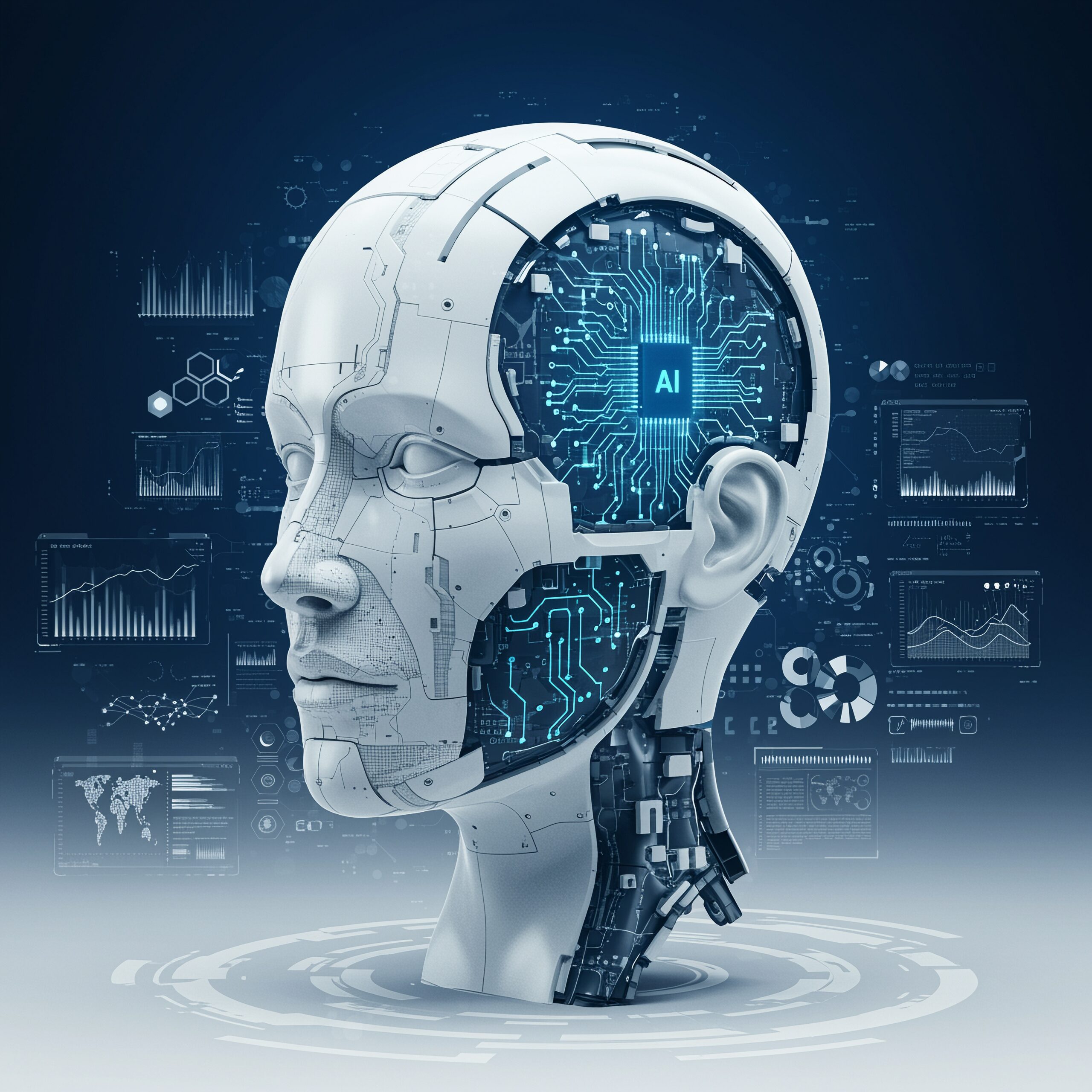
How AI is Decoding the Injured Brain
Artificial intelligence is learning to detect patterns in the injured brain that conventional analysis can miss, opening new possibilities for diagnosing TBI, interpreting complex imaging, and predicting recovery. For more than a century, physicians have learned to read the brain by interpreting what they can see: neurological signs, symptoms, CT scans, MRI images and changes […]
November 6, 2026
Read More
Medical & Research
Expert Voices
THE CRITICAL WINDOW
From the first hours after injury through the years that follow, new research reveals how timing can shape brain damage, healing, neuroplasticity, and long-term recovery after TBI. A traumatic brain injury happens in an instant. The consequences do not. The moment the brain is subjected to a violent impact, acceleration-deceleration force, blast wave, or penetrating […]
November 6, 2026
Read More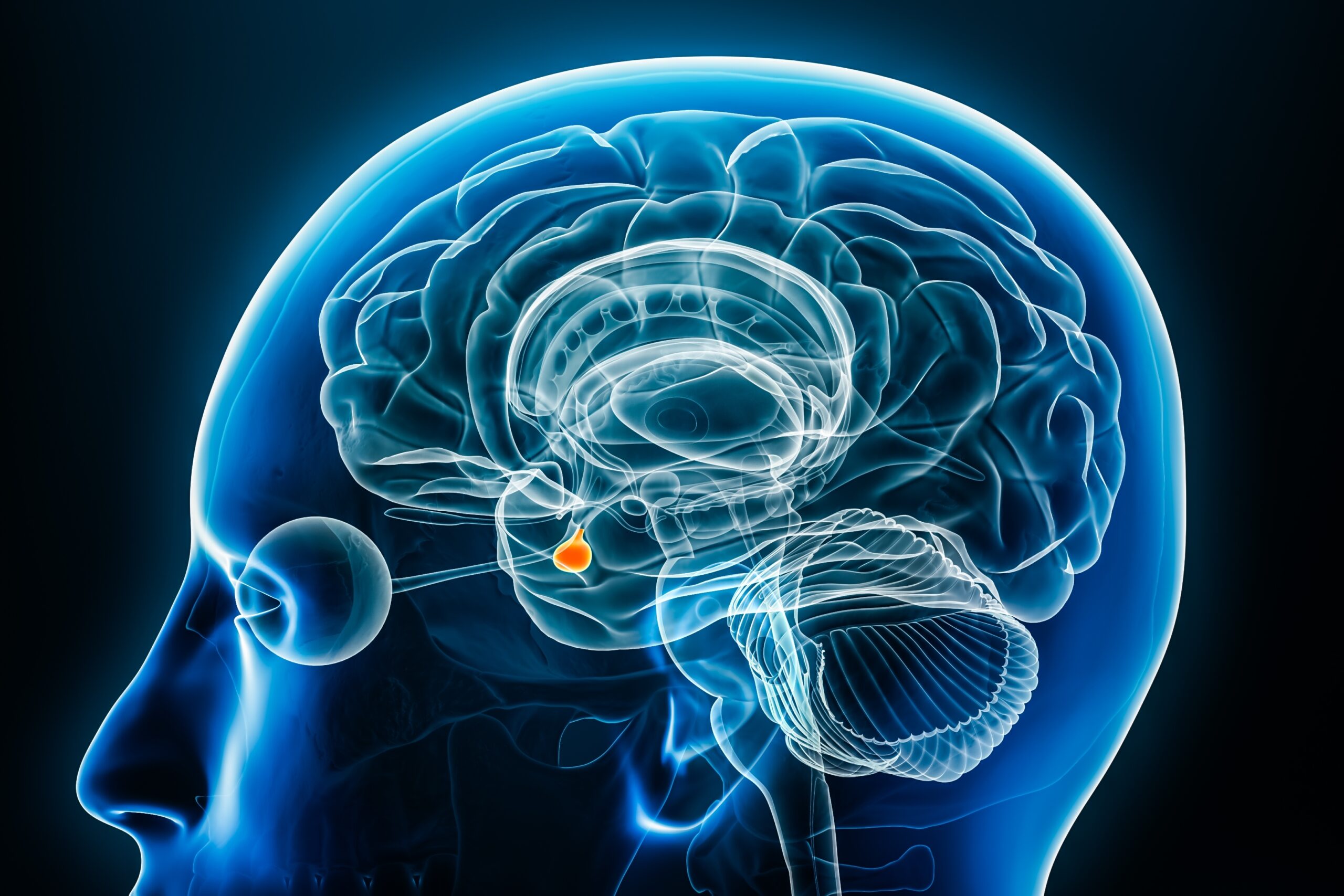
Medical & Research
Resources & Education
Hormonal Aftermath: When TBI Damages the Pituitary Gland
When people think about traumatic brain injury (TBI), they often picture memory problems, headaches, dizziness, mood changes, or difficulties with concentration. These symptoms are among the most recognized consequences of brain trauma, and they receive considerable attention during rehabilitation. Yet one of the most common and frequently overlooked complications of TBI lies in a structure […]
July 27, 2026
Read More
Medical & Research
Expert Voices
Resources & Education
Top 10 Most Cited TBI Researchers Shaping the Future of Brain Injury Science
Traumatic brain injury (TBI) remains one of the most significant public health challenges worldwide, affecting millions of individuals each year and contributing to long-term disability, cognitive impairment, and reduced quality of life. Over the past three decades, TBI research has expanded dramatically, with more than 40,000 scientific publications contributing to our understanding of injury mechanisms, […]
July 27, 2026
Read More
Medical & Research
Resources & Education
The Gut-Brain Axis: How Your Microbiome May Hold the Key to TBI Recovery
For decades, traumatic brain injury (TBI) rehabilitation has focused almost entirely on the brain itself. Neurosurgeons examined swelling and bleeding. Rehabilitation specialists targeted cognition, speech, balance, and memory. Researchers explored stem cells, neuroimaging, electrical stimulation, and optogenetics. But an unexpected player is now emerging in the world of brain injury science: the gut. Hidden within […]
July 27, 2026
Read More
Medical & Research
Smoking and Traumatic Brain Injury: An Overlooked Barrier to Recovery
Traumatic brain injury (TBI) affects millions of people each year, often leaving survivors with lasting physical, cognitive, and emotional challenges. While rehabilitation programs focus on restoring function through therapies targeting speech, movement, memory, and emotional well-being, one significant factor that can hinder recovery frequently receives less attention than it deserves: smoking. The harmful effects of […]
July 27, 2026
Read More
Medical & Research
Resources & Education
When Brain Injuryand Violence Collide
As the United States continues to grapple with mass shootings across schools, workplaces, and public spaces, researchers and public health experts are increasingly examining a difficult and often overlooked question: could traumatic brain injury (TBI) or degenerative brain disease play a contributing role in some acts of extreme violence? Mass shootings are widely understood to […]
April 15, 2026
Read More
Medical & Research
Resources & Education
ChatGPT’s Impacton the Brain
Artificial intelligence has quietly woven itself into daily life. We ask it to write emails, summarize research, plan trips, brainstorm ideas, and even help us think through personal dilemmas. Among these tools, ChatGPT has emerged as one of the most widely used conversational AI systems in the world. But as reliance on AI grows, researchers […]
April 15, 2026
Read More
Medical & Research
AI Breakthroughs Transforming TBI Diagnosis and Treatment
Traumatic brain injury has always challenged clinicians with its complexity. No two injuries are the same, and even patients with similar imaging findings can follow vastly different recovery paths. In recent years, however, artificial intelligence has begun to reshape how TBI is identified, understood, and treated. Rather than relying solely on traditional imaging or subjective […]
April 15, 2026
Read MoreContribute to the TBI Times
Have a story to share? Whether you're a survivor, physician, family member, or legal professional, we invite you to contribute.
Contribute Today

TBI Times
TBI Times supports those affected by traumatic brain injury with stories of hope, expert insights, and recovery resources.
Disclaimer: This website’s content is for informational purposes only and is not intended as medical or legal advise.