Foreign accent syndrome (FAS) is a speech disorder that causes a sudden change to speech so that a native speaker is perceived to speak with a “foreign” accent. FAS is most often caused by damage to the brain caused by a stroke or traumatic brain injury. Other causes have also been reported including multiple sclerosis and conversion disorder and in some cases, no clear cause has been identified Norwegian neurologist Georg Herman Monrad-Krohn reported the best-known case of FAS, in which speech was altered in terms of timing, intonation, and tongue placement causing the subject to sound foreign. In FAS, speech remains highly intelligible and does not necessarily sound disordered. FAS has been documented in cases around the world, including accent changes from Japanese to Korean, British English to French, American English to British English, and Spanish to Hungarian.
There have been only about 100 known cases of the syndrome since it was first eported in the 1940s. The most famous case was a Norwegian woman who was hit by shrapnel in World War II; she developed a German accent and was ostracized as a result. Other cases include a British woman from Devon who developed a Chinese accent following a migraine, and another British woman who had a stroke after which she acquired a French accent. FAS affects only a small a ea of speech — the pattern and intonation — and in some recorded cases appears to have been brought on by a stroke or traumatic brain injury (TBI). The primary symptom of foreign accent syndrome is speaking in an accent associated with a country where the person has never lived or in a language, they have never spoken. For example, a native English speaker who has never left the United States may begin speaking English with a
Spanish accent. Most people with foreign accent syndrome also show symptoms of a psychological or neurological condition. They might have schizophrenia or depression, a recent brain injury, or a medical condition, such as MS or dementia, that damages the brain. A person whose foreign accent changes slightly or who develops a new accent after living abroad would not be considered to have foreign accent syndrome. A person with foreign accent syndrome may seek treatment because they or someone they know noticed the change in their speech. In some cases, however, foreign accent syndrome presents secondary to another symptom. In this scenario, a person seeking emergency psychiatric care might also have an unusual accent, or a head injury survivor may develop a new speech pattern. No specific test can assess for fo eign accent syndrome. Instead, doctors work to diagnose the cause using a variety of tests, including blood tests to test for infections and some illnesses, brain scans, such as MRI scans, to look for lesions or damage in the brain, a lumbar puncture, to test for infections in the spinal flui and to check for signs of certain central nervous system conditions, a complete medical history, to determine when the symptoms
appeared and what may have caused them, and psychiatric screenings, such as assessments for depression and schizophrenia. If a doctor cannot find a physiological cause, they will usuall diagnose a person with psychogenic foreign accent syndrome and work to identify a possible psychological cause. Foreign accent syndrome itself is not dangerous. However, it may warn of a serious medical condition, such as a tumor or lesion in the brain, dementia, or MS. In these cases, treatment will focus on addressing the cause of the foreign accent syndrome. A doctor might prescribe medication for conditions such as MS or surgery for certain brain growths. When there is a psychiatric cause, a doctor may recommend therapy, medication, or both. Many causes of foreign accent syndrome are not curable, though medication can help manage symptoms. In most cases, a doctor will recommend speech therapy to help a person regain their normal habits. When the cause of foreign accent syndrome is unclear — such as in the case of the woman who developed it following dental surgery — speech therapy may be the only treatment option
Traumatic Brain Injury (TBI) disrupts the normal functioning of the brain due to a strike or jolt to the head. This can cause vision problems, such as blurred or double vision, and difficulty wi eye movements, focus, and tracking. This can result in headaches, dizziness and nausea— especially when someone who has suffe ed a TBI needs to retain focus on a fixed poin or task. Over 10 million TBIs occur annually around the world and around 57 million people have been hospitalized for a TBI at some point in their lives. Studies show that over 90% of Traumatic Brain Injury patients suffer some form of visua dysfunction, yet vision problems tend to be overlooked during the initial treatment of a brain injury. At times, vision problems don’t manifest until some time has passed— so make sure to pay close attention to any vision changes you may experience following a concussion or head trauma. If you notice any alterations in your vision, contact our optometrists right away. The eye doctor will determine the causes of the vision change and will provide the appropriate vision therapy treatment
Often the affected person with a TBI is not aware of their specific vision dysfunction but might complain of one or more of the signs below: Traumatic Brain Injuries tend to interrupt the communication between the eyes and the brain, which can cause a range of visual dysfunctions. The signs often include: - Blurred vision - Eyestrain - Sensitivity to light - Reading difficulti - Attention and concentration difficulti Below is a more detailed list of the common vision problems that can result from brain injury or a medical condition, such as a stroke, tumor, aneurysm, meningitis, cerebral palsy, and other neurological insults. Visual Acuity – Blurry vision, either all the time or can shift in and out of focus. Eye focusing – Inability to quickly change focus from near to far objects. Eye teaming – The eyes not working in tandem, potentially causing double vision.
Eye Movements – Difficulty following a movin object or losing one’s place while reading. Motion Sensitivity – The disruption of the connection between vision integration and balance system which makes it difficult t process motion properly. This can cause vertigo or unease when traveling, scrolling a digital device, or when in busy environments such as grocery stores, social settings, or sporting events. Visual Field Loss – The partial or complete loss of peripheral vision. Visual field loss may cause one to bump into objects, be struck by approaching objects, or experience frequent falls. Visual Memory Loss – Losing the ability to recall or remember visual information stored in long or short-term visual memory. This can have a devastating impact on daily functioning as the individual no longer recalls numbers, words, pictures, or any data viewed in the past. Reading comprehension decreases, and the ability to recognize locations and faces declines. One may not remember where a specific object—such as a car key—was put or how to give directions. Headaches or Eye Pain – Following head trauma, the individual may experience a range of headaches or even a stabbing pain around the eye — at times accompanied by redness, burning, or itching of the eyes Sensitivity to Light – In the aftermath of a brain injury, one can develop sensitivity to light and be unable to tolerate glare. Also known as photophobia, sensitivity to light can be exacerbated by particular light sources, such as bright sunlight and fluo escent lighting. LCD screens, used for computers or smartphone devices, can be particularly intolerable after a concussion. People of all ages who develop visual dysfunction due to a neurological trauma or injury can benefit f om a vision assessment by a Neuro-Optometric Rehabilitation Optometrist (neuro-optometrist). These eye care professionals are highly trained in the diagnosis, treatment and rehabilitation of neurological conditions that affec the visual system, as well as perceptual and motor disorders. Research studies show that patients having undergone a vision rehabilitation program can vastly improve their quality of life. An interdisciplinary rehabilitation team is essential for patients with concussions, strokes or other neurological deficits. In addition t optometrists, team members may include nurses, physical therapists, occupational therapists, speechlanguage pathologists, physical medicine doctors, neurologists, neuropsychologists, audiologists, and ophthalmologists, among others.
SEVERE POST-COVID COSTOCHONDRITIS
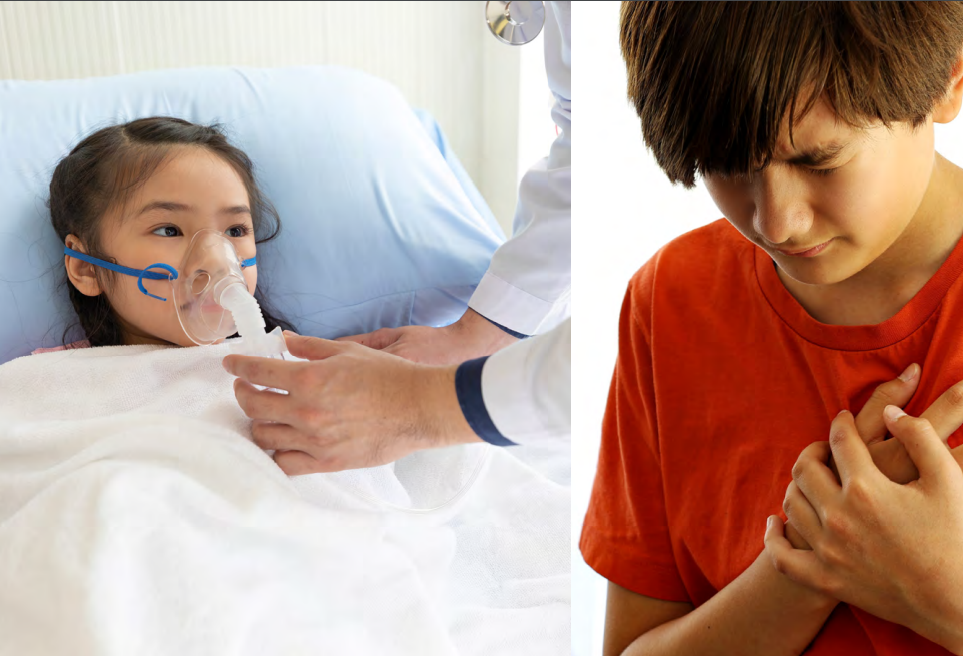
Although children comprise the fewest cases of COVID-19 infection, symptoms and complications among the various age groups affected, new long-term consequences a e being reported including severe costochondritis. Post-COVID costochondritis (PCC) is an inflammation of the cartilage that connects a rib to the breastbone. The syndrome causes pain and tenderness on the breastbone, pain in more than one rib, or pain that gets worse with deep breaths or coughing. Patients will experience sharp or aching pain which can start suddenly or develop slowly and spread across the chest. Because of the location of the pain, the symptoms are sometimes misinterpreted as a heart attack. Costochondritis usually goes away on its own, although it might last for several weeks or longer. Treatment focuses on pain relief with traditional treatments including injections to relieve pain and medications — though PCC, in many cases, is unresonsive to these treatments. Physical therapy in the form of gentle stretching exercises for the chest muscles might be helpful. Medications used to treat PCC may include nonsteroidal anti-inflammatory d ugs. Some of these drugs, such as ibuprofen
(Advil, Motrin IB) or naproxen sodium (Aleve), can be purchased over the counter. Stronger versions are available by prescription. Side effects of these medicines can include damage to th stomach lining and kidneys. Narcotics may also be used if pain is severe, however, are avoided when possible because they can be habit-forming. Antidepressants such as amitriptyline are often used to control chronic pain — especially if the pain interferes with sleep and anti-seizure medication such as gabapentin (Gralise, Neurontin) has also proved successful in controlling chronic pain caused by PCC. In a study conducted at the School of Medicine, Texas Tech University Health Sciences Center in Lubbock, Texas, researchers found that PCC in some cases may respond to treatment with colchicine, an anti-inflammator . Another option is a procedure called transcutaneous electrical nerve stimulation (TENS), in which a device sends a weak electrical current via adhesive patches on the skin near the area of pain. The current is thought to possibly interrupt pain signals, preventing them from reaching the brain. If conservative measures are not successful, the injection of numbing medication and a corticosteroid directly into the painful joint is also an option.
CARDIOVASCULAR CONDITIONS
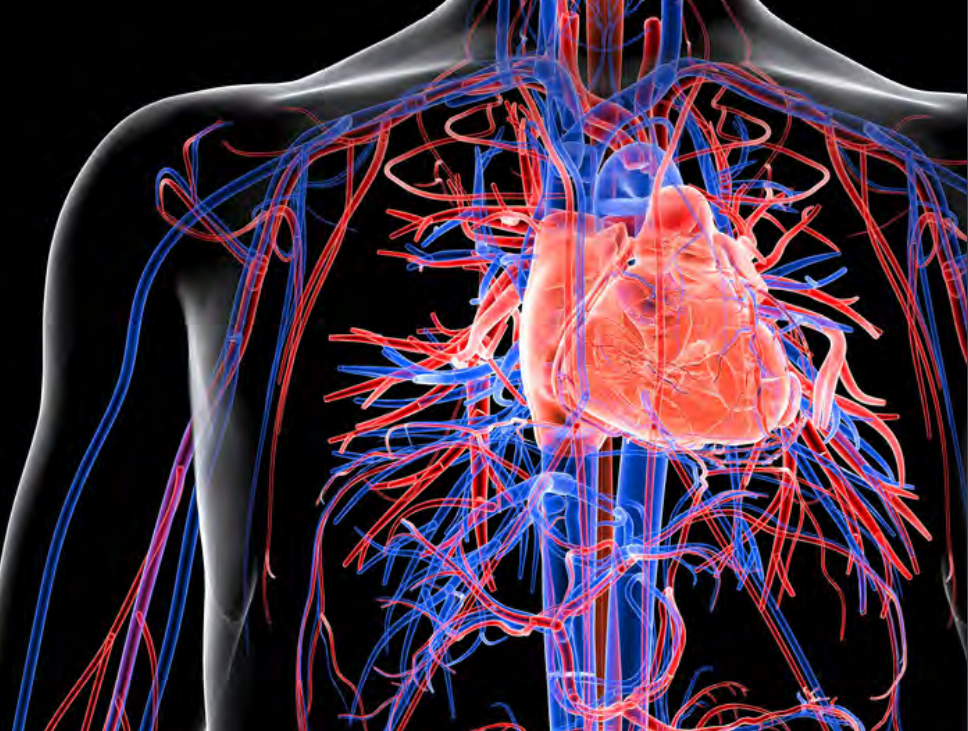
A study published in Nature Medicine by researchers at the Veterans Affairs ( A) St Louis Health Care System, found that in the year after recovering from the illness’s acute phase, patients had increased risks of an array of cardiovascular problems, including abnormal heart rhythms, heart muscle inflammation, blood clots, st okes, myocardial infarction, and heart failure. What’s more, the heightened risks were evident even among those who weren’t hospitalized with acute COVID-19. Patients with more severe disease—determined by whether they recuperated at home, were hospitalized, or were admitted to the intensive care unit—had higher risks. But the risks were evident even among those who were not hospitalized with COVID-19. Other subgroup analysis found increased risks regardless of age, race, sex, obesity, smoking, hypertension, diabetes, chronic kidney disease, hyperlipidemia and preexisting cardiovascular disease.
RESPIRATORY ISSUES
Severe cases of COVID-19 can produce scarring and other permanent problems in the lungs. This is likely due to a combination of the body’s exaggerated immune system reaction to the virus, and the lung inflammation it triggers. Even mil infections can result in persistent respirtory distress — causing shortness of breath after even light exertion. Lung recovery after COVID-19 is possible, but takes time. Experts say it can take months for a person’s lung function to return to pre-COVID-19 levels. Breathing exercises and respiratory therapy can help. Researchers from the University of Iowa recently conducted a study to understand the long-term effects of COVID-19 on lun function. The study enrolled 100 adults with a confirmed SARS CoV-2 infection who remained symptomatic for more than 30 days following the diagnosis, with a control group of 106 healthy participants. The results provided evidence of airway damage many months after the initial SARS CoV-2 infection.
CHRONIC FATIGUE
A team of researchers, including two from Johns Hopkins Medicine, have published a review article highlighting similarities between certain lingering symptoms following COVID-19 illness — a condition called “long COVID” — and myalgic encephalomyelitis/chronic fatigue syndrome (ME/ CFS), a debilitating, complex disorder previously known as chronic fatigue syndrome. The researchers say the symptoms shared by the two conditions may involve a biological response that goes haywire when the body encounters certain infections or other environmental hazards. “The body’s response to infection and injury is complex and covers all body systems,” says the study’s lead author Bindu Paul, Ph.D., assistant professor of pharmacology and molecular sciences at the Johns Hopkins University School of Medicine. “When that response is in disarray — even just one aspect of it — it can cause feelings of being tired, brain fog, pain and other symptoms.”
LOSS OF TASTE AND SMELL
The senses of smell and taste are related, and because the coronavirus can affect cells in the nose, having COVID-19 can result in lost or distorted senses of smell (anosmia) or taste. Before and after people become ill with COVID-19, they might lose their sense of smell or taste entirely, or find that familiar things smell or taste bad, strange or diffe ent. For about a quarter of people with COVID-19 who have one or both of these symptoms, the problem resolves in a couple of weeks. But for most, these symptoms persist. Though not life-threatening, prolonged distortion of these senses can be devastating and can lead to lack of appetite, anxiety and depression. Some studies suggest that there’s a 60% to 80% chance that these people will see improvement in their sense of smell within a year
MUSCULOSKELETAL CONDITIONS
Recent studies have suggested that musculoskeletal symptoms, including joint and muscle pain, are present in many COVID-19 patients after the acute phase of infection, persisting for weeks or even months after the initial infection. Comprising 40% of the human body weight, the skeletal muscle is an important organized tissue composed by numerous bundles of myofibers. It has a crucial mechanical role, generating force and power through the conversion of chemical to mechanical energy, which yields movement, facilitating our daily activities. Furthermore, skeletal muscle can store energetic substrates (carbohydrates and amino acids) for the basal metabolism and it can contribute to heat production, stabilizing the body’s temperature. Considering the multiple functions of the musculoskeletal system and the fact that COVID-19 is a multi-organic disease, it isn’t surprising that musculoskeletal issues may arrise from infection.
SLEEP DISORDERS
“Sleep disorders are one of the most common symptoms for patients who’ve had COVID-19,” says sleep medicine specialist Cinthya Pena Orbea, MD. “They report insomnia, fatigue, brain fog and sometimes we even see circadian rhythm disorders.” Coined “coronasomnia,” COVID-19- induced insomnia is often attributed to pandemic-related stress, anxiety, depression and other mental health conditions. According to Dr. Orbea, many people have a delayed sleep cycle, causing them to fall asleep much later in the evening or earlier in the morning. This delayed cycle extends into the following day, causing people to feel groggy, have chronic fatigue or wake up later than they prefer. “Sleep is extremely important for the overall function of our bodies, including our metabolic systems and our immune systems,” explains Dr. Orbea. “Since sleep is important for concentration and memory function, it will enhance how patients recover from the disease and impact their quality of life.” During illness, the immune system’s response to an infection can have a profound effect on sleep. Likewise, getting adequate, good quality sleep is crucial for your immune system to work optimally. In long COVID, if the immune system is still not functioning normally, the body will be constantly trying its hardest to reduce the inflammation. This could explain why so many people with long COVID report fatigue and sleep difficulties as major symptoms. It’ also thought that inflammation can come and go during long COVID, which would mean that the body is constantly having to work to keep everything in balance. When the body is having to deal with chronic inflammation, sleep can be reduced and sleep quality can be compromised.
PERIPHERAL NEUROPATHY
Some patients with long COVID may have long-lasting nerve damage resulting in weakness, numbness and pain, usually in the hands and feet. This condition , known as peripheral neuropathy, appears to be caused by immunity problems triggered by infection according to a new study published in the journal Neurology: Neuroimmunology & Neuroinflammation. “This is one of the early papers looking into causes of long COVID, which will steadily increase in importance as acute COVID wanes,” said Anne Louise Oaklander, MD, the lead study author and a neurologist at Massachusetts General Hospital. “Our findings suggest that some long COVID patients had damage to their peripheral nerve fibers and that damage to the small-fiber type of nerve cell may be prominent.” The study found that 10 patients — or 59% — had at least one test that confirmed neuropathy. Two patients had rare neuropathies that affected muscle nerves and 10 were diagnosed with small-fiber neuropathy, which is a cause of chronic pain. Common symptoms included fatigue, weakness, changes in their senses, and pain in their hands and feet.

COGNITIVE DEFICITS
Post COVID neurological problems have been commonly reported and include cognitive or memory disturbances, headache and myalgia. Acute neurological diagnoses include encephalopathy, delirium, cerebrovascular disease, seizures, neuropathy and myopathy. Less frequently reported problems include abnormal movements, psychomotor agitation, syncope and autonomic dysfunction. Another common complaint amongst post COVID patients is brain fog, a term used to describe slow or sluggish thinking. Brain fog can occur under many different circumstances — for example, when someone is sleep-deprived or feeling unwell, or due to side effects from medicines that cause drowsiness. Brain fog can also occur following chemotherapy or a concussion. In many cases, brain fog is temporary and gets better on its own. However, we don’t really understand why brain fog happens after COVID-19, or how long these symptoms are likely to last. But we do know that this form of brain fog can affect different aspects of cognition.
Among patients hospitalized with COVID-19, 1 year after discharge, about half experienced clinically relevant moderate or worse diminished cognitive ability in verbal learning and executive function, according to study findings published in European Neuropsychopharmacology. Lingering cognitive, neurologic, psychiatric, and physical symptoms after COVID are estimated to affect as many as 40 of all patients who contracted COVID-19 and as much as 85% of those who have been hospitalized with COVID-19. Cognitive COVID (which is long-term) is characterized by brain fog, and memory and concentration struggles, and is recognizable in about 30% of patients previously hospitalized with the virus. COVID infection frequently leads to brain damage — particularly in those over 70. While sometimes the brain damage is obvious and leads to major cognitive impairment, more frequently the damage is mild, leading to difficulties with sustained atte ion. Although many people who have recovered from COVID can resume their daily lives without difficulty — even if they ha some deficits in attention — the e are a number of people who may experience difficulty for an extended period
Diagnosing TBI can be complicated. Currently, doctors use a variety of methods to determine if a patient has a TBI. A medical exam is the first step to diagnose a potential brain injury which includes a neurological exam. This exam evaluates thinking motor function, sensory function, coordination, eye movement, and reflexes. Although it is well acknowledged within the medical community that they can not detect TBIs, CT and MRI scans are typically the next step because they can rule out a more serious brain injury. Although these protocols aid health care providers who are trained in the intricacies of diagnosing TBIs, none on their own can provide a definitive diagnosis. However, there is promising research showing that more advanced imaging may take center stage in the diagnosis of both TBI and mTBI (mild traumatic brain injury).
This next-level imaging falls into two categories: Nuclear Medicine in the form of single-photon emission computerized tomography (SPECT) and positron emission tomography (PET) scans and Diffusion Tensor Imaging (DTI) scans.
SPECT AND PET SCANS
SPECT is a nuclear imaging scan that integrates computed tomography (CT) and a radioactive tracer. The tracer is what allows doctors to see how blood flows to brain tissue. Before the SPECT scan, a tracer is injected into your bloodstream. The tracer is radiolabeled, meaning it emits gamma rays that can be detected by the CT scanner. The computer collects the information emitted by the gamma rays and displays it on the CT cross-sections. These cross-sections can be added back together to form a 3D image of your brain. The radioactive tracers will pass through your body and be detected by the scanner.
PET scans also use radiotracers however for additional purposes other than monitoring blood flow. PET scans also visualize and measure and physiological processes such as regional chemical composition and absorption. In both SPECT and PET scans, different tracers are used depending on the purpose of the scan. In the case of TBI screening, Fluorodeoxyglucose (FDG) is the most widely used radiotracer.
A SPECT scan differs from a PET scan in that with SPECT the tracer stays in your bloodstream rather than being absorbed by surrounding tissues, thereby limiting the images to areas where blood flows. SPECT scans are cheaper and more readily available than higher resolution PET scans, though both scans can detect minute molecular biological changes in the brain, which is not possible for MRI or CT scans.
According to Dr. Daniel Amen, a brain health expert, “Brain SPECT imaging identifies areas of the brain hurt by TBI. CT and MRI scans show if there is any damage to the anatomy or structure of your brain, but these scans cannot tell how your brain is functioning. In fact, after a TBI, CT or MRI scans will often appear normal when there is actually functional damage to the brain that can be detected with SPECT.”
DTI SCAN
DTI scans are a relatively new magnetic resonance imaging (MRI) technique that is used to evaluate microstructural changes in the brain by measuring water molecules in tissue. Its imaging capabilities are based on the ability to determine the orientation and diffusion characteristics of white matter. Recent advances in the resolution of DTI have made it possible to visualize potential changes in various neural tracts associated with brain injury. DTI is used in conjunction with conventional MRI techniques to provide 2-dimensional and 3-dimensional visualization of changes to white matter in the brain. DTI scans can provide image contrast that was previously unattainable using conventional MRI techniques.
According to Lauren J. O’Donnell, PhD of the Golby Neurosurgical Brain Mapping Laboratory, DTI is a sensitive probe of cellular structure that works by measuring the diffusion of water molecules. Unlike the diffusion in a glass of pure water, which would be the same in all directions (isotropic), the diffusion measured in tissue varies with direction (is anisotropic). The measured macroscopic diffusion anisotropy is due to microscopic tissue heterogeneity. In the white matter of the brain, diffusion anisotropy is primarily caused by cellular membranes, with some contribution from myelination and the packing of the axons. Anisotropic diffusion can indicate the underlying tissue orientation.
WHAT ADVANCED IMAGING TECHNIQUES MEAN FOR TBI PATIENTS
Being able to thrive with TBI means getting the proper diagnosis, which is the first step in getting the appropriate treatment. SPECT, PET, and DTI scans are making this possible for more patients. The amount of detail and diagnostic information made available by these scans can help doctors create very customized treatment plans for patients with TBI.
With more research being done every year to develop advanced imaging modalities, the future is definitely brighter for patients suffering from TBI.
BY NAOMI KHAN
Hyperbaric oxygen therapy (HBOT) is defined as the use of oxygen at higher than atmospheric pressure for the treatment of underlying disease processes and the diseases they produce. Modern HBOT in which 100% O2 is breathed in a pressurized chamber dates back to the 1930s when it was first used for the treatment of decompression illness in divers. There are currently 13 FDA-approved uses for HBOT.
Though TBI treatment is not an FDA-approved use for HBOT, many physicians have used it as an “off-label” treatment with notable results. Though not yet scientifically proven, it has been said that HBOT can dramatically and permanently improve symptoms of chronic TBI months or even many years after trauma. This assertion is generally met with skepticism within the medical establishment because it is widely accepted that any post-concussion symptoms persisting more than 6 months after a head injury is due to permanent brain damage that cannot be repaired. Therefore, treatment has been limited to symptom management and rehabilitative services, and any claim suggesting that fundamental healing is possible is not considered mainstream.
Researchers started investigating HBOT as a TBI treatment in the 1960s because of its ability to slow cell death, suppress inflammation, and boost cell and blood vessel growth. Most of the research was conducted on animals until recently because of the ethical issues involved in experimenting on humans with acute, severe brain injury.
One of the biggest issues complicating research of HBOT in brain injury is the ability to conduct randomized, double-blind, placebo-controlled studies. Brain injury varies widely from person to person, making it difficult to find TBI patients to study who have similar injury severity and affected regions.
Finding an objective way to measure the effects of HBOT is also an obstacle with several published studies failing to use a placebo. However, recently researchers have devised and used a placebo for HBOT in their studies, usually by increasing the air pressure without changing the oxygen content of the air being delivered. It’s imperfect (since air pressure increases while oxygen stays the same), but it does improve the reliability of results and possibly paves the way for HBOT as an acknowledged treatment for TBI.
BY GREY NOLAN
The craniocervical junction (CCJ) is a complex transitional region between the base of the skull and the upper cervical spine. It is comprised of the occiput, atlas, and axis and plays a vital role in craniospinal hydrodynamics, the relationship between blood and cerebrospinal fluid volume, pressure, and flow in the compartments of the cranial vault and spinal canal. The CCJ also encloses the encephalic vasculature of the central nervous system. Housing such important system components, it isn’t surprising that any damage to this area of the spine can lead to numerous neurologic symptoms, many of which mimic the symptoms of brain injury.
In recent years studies have shown that injury to the CCJ may cause or contribute to symptoms of mTBI, including headache, dizziness, balance and coordination problems, cognitive deficits, fatigue, insomnia, and emotional changes such as irritability, depression, and anxiety. In 2015, Dr. John Leddy and his team at the University of Buffalo published an article suggesting just that and other articles have followed adding credibility to Dr. Leddy’s findings. For example, the Journal of Sports Medicine wrote about the topic in an article titled Cervical Spine Involvement in Mild Traumatic Brain Injury: A Review. In this article, the author wrote “following a trauma, structures such as the cervical spine, the vestibular ocular system, and the temporomandibular joint can be injured.” The article also notes that “neck pain, headaches, dizziness, and balance dysfunction are common symptoms associated with both mTBI and cervical spine injury.” Addressing neck injuries, the article suggests, may lead to better mTBI recovery.
A leading researcher in the chiropractic field, Dr. Scott Rosa, has also written about how injury to the CCJ may cause or contributor to mTBI symptoms. He refers to this as “Craniocervical Junction Syndrome” and has treated many high-profile patients, including Jim McMahon, former Chicago Bills quarterback.
While randomized controlled trial testing on this hypothesis is currently in progress, the notion raises the question of how MRIs should be performed when diagnosing mTBI. Doctors typically order an MRI of the skull in a patient showing symptoms of brain injury, however, it is possible, based on the articles aforementioned, that an MRI of the cervical spine would help in developing an effective treatment plan for mTBI patients.
BY APRIL DANIELS
Traumatic brain injury rapidly induces inflammation. This inflammation is produced both by endogenous brain cells and circulating inflammatory cells. Together they drive the inflammatory response — when damaged cells release chemicals including histamine, bradykinin, and prostaglandins. These chemicals cause blood vessels to leak fluid into the tissues, causing swelling.
Even after the initial injury, a prolonged state of brain inflammation may linger for years. Eating an anti-inflammatory diet can counteract long and short term inflamation.
The basics of an anti-inflammatory diet include: Eating more plants; whole plant foods have the anti-inflammatory nutrients that your body needs. So eating a rainbow of fruits, veggies, whole grains and legumes is the best place to start.
Incorporating antioxidants; they help prevent, delay or repair some types of cell and tissue damage. They’re found in colorful fruits and veggies like berries, leafy greens, beets and avocados, as well as beans and lentils, whole grains, ginger, turmeric and green tea.
Eating Omega-3s; omega-3 fatty acids play a role in regulating your body’s inflammatory process and could help regulate pain related to inflammation. Find these healthy fats in fish like salmon, tuna and mackerel, as well as smaller amounts in walnuts, pecans, ground flaxseed and soy.
Eating less red meat; red meat can be pro-inflammatory. Are you a burger lover? Aim for a realistic goal. Try substituting your lunchtime beef with fish, nuts or soy-based protein a few times a week.
Eliminating processed foods; sugary cereals and drinks, deep-fried food, and pastries are all pro-inflammatory offenders. They can contain plenty of unhealthy fats that are linked to inflammation. But eating whole fruits, veggies, grains and beans can be quick if you prep ahead for multiple meals.
In addition to healing damage caused to the brain immediately following TBI, an anti-inflammatory diet also minimizes the potential for post TBI conditions such as fatigue, depression, anxiety, migraine, seizures, and thoughts about suicide.

BY LAURA TRESCOT
CBD products are extracted from hemp or marijuana, which are essentially the same cannabis plant but are cultivated differently, hemp plants being grown to contain less than 0.3% THC. Numerous clinical trials in which TBI patients are being treated with CBD oil from hemp, which has virtually no THC, are showing positive results.
In the United States, the first big study on cannabinoid treatment for concussion is being done by the University of Miami which received a $16 million grant for the research. The study is a five-year, three-stage study that will assess the effectiveness of a new cannabinoid-based pill to treat concussion injuries. This partnership aims to propel this research and potential treatment forward by using two classes of drugs in a combination that scientists believe will reduce brain inflammation and the immune response. The study will also test the cannabinoid-based pill on a small pilot group of acute and chronic TBI patients.
Another new study being conducted at the University of Miami is investigating if using a pill form of cannabidiol (CBD) and the psychedelic drug psilocybin effectively treats and possibly prevents symptoms of two conditions that commonly occur together: mild traumatic brain injury (mTBI) and posttraumatic stress disorder (PTSD). Up to 40% of people impacted by TBI also suffer from PTSD, according to a University of Miami press release. A pre-clinical trial on animals is in progress. The university expects this phase to last around 9 to 12 months. He hopes to transition to human clinical trials and file the treatment with the FDA in 2021.
A study published in Brain Injury in October 2019 found that even though cannabis use didn’t affect concussion recovery time, cannabis use was associated with a lower symptom burden in the third and fourth weeks after injury.
A December 2018 study in the journal Neurology indicates that medical cannabis (marijuana) helps concussion patients with concussion symptoms, especially pain, mood, sleep, and quality of life. The study also specifies the optimal forms of medical cannabis for the patients in the study, in terms of ratios of CBD to THC, and methods of intake, such as a tincture (oral) or a vapor pen (inhaling).
Certain plasma microRNAs could serve as diagnostic biomarkers in mild traumatic brain injury, a new study shows. The biomarkers were discovered in an animal model and they were successfully used also to diagnose mild traumatic brain injury in a subgroup of patients.
Mild traumatic brain injury is difficult to detect by contemporary conventional imaging methods. Most patients do not exhibit visible structural damage to the brain. Even without visible structural damage, it is extremely important to diagnose mild traumatic brain injury since patients’ ability to work and their overall quality of life might become deteriorated. There is a major unmet medical need to identify accurate, affordable, and widely accessible diagnostic biomarkers that could be used to better diagnose patients with mild traumatic brain injury and to guide them to symptomatic, timely, and rehabilitative treatment.
Blood-based biomarkers enable minimally invasive and cost-effective diagnostics. Earlier studies have shown that many biomarkers hold promise for characterizing the severity of traumatic brain injury, and they can provide molecular-level information about the ongoing pathological changes. In the newly published study, researchers set out to find microRNAs that could serve as biomarkers to diagnose traumatic brain injury. MicroRNAs, or miRNAs, are small RNA molecules that regulate the expression of protein-coding genes. Blood plasma samples were sequenced from an animal model both after mild and severe traumatic brain injury. The miRNAs showing the greatest potential based on the sequencing data were selected for further analysis.
“We have been developing a suitable analysis and measurement method especially for miRNAs that can be found in small amounts in plasma, and this method is based on digital droplet PCR,” Dr. Noora Puhakka from the A. I. Virtanen Institute for Molecular Sciences at the University of Eastern Finland says.
“Humans and animals share many identical miRNAs, and this makes them excellent candidates for translational studies, where results achieved in animal models are sought to be applied in humans. However, it has proven challenging to reproduce results from different studies and different sets of data. This is why assessing the quality of measurement methods, and reproducibility is an extremely important part of biomarker research.”
The objective of the newly published study was to identify plasma miRNA biomarkers that are sensitive and specific to mild traumatic brain injury in an animal model and to explore whether they could also be used to diagnose mild traumatic brain injury in humans.
BY GEORGE PLATT
Acupuncture is a traditional Chinese practice that is primarily used to treat chronic pain. However, it can also relieve the anxiety, depression, and insomnia that often affect patients after a traumatic brain injury (TBI). This makes acupuncture a possibly beneficial practice for brain injury survivors.
Acupuncture originated in China over 2,000 years ago. It involves placing thin needles into the skin at certain points in the body. These points, called meridians, are thought to trigger the body’s natural healing responses.
According to traditional Chinese medicine, the body has a natural flow of energy called qi. When qi gets congested, a person can become susceptible to pain, anxiety, and disease. By puncturing the body in the correct spots, acupuncture can clear away the congestion and restore the body’s natural balance. A more modern way of explaining how this works is that acupuncture gently stimulates the nerves and causes an inflammatory response. These responses activate the body’s natural healing process.
Perhaps the most exciting benefit that acupuncture can offer brain injury patients is the ability to regenerate brain cells. One study in 2017 found that acupuncture increased the production of BDNF. BDNF stands for brain-derived neurotrophic factor, a growth factor that acts as a fertilizer for your brain. BDNF triggers your brain to initiate a process known as neurogenesis. Neurogenesis is similar to neuroplasticity, except where neuroplasticity refers to the brain’s ability to rewire itself, neurogenesis actually involves the creation of new brain cells.
This has huge implications for patients after TBI since this would enable them to recover more fully from any brain damage that may have occurred. Studies have also found that acupuncture increases blood flow to the brain, which lets the brain get more of the critical nutrients it needs to heal. It does this by releasing vasodilators into the bloodstream, which causes your blood vessels to relax and expand.
Acupuncture also triggers the release of endorphins in the brain. Endorphins are hormones that activate your body’s opiate receptors, which means they act as natural painkillers. This effect makes acupuncture an alternative treatment for conventional pain management after traumatic brain injury.
Contribute to the TBI Times