Genetic research is rapidly advancing the field of traumatic brain injury (TBI) by providing insights into how individuals respond to brain injuries and the potential for personalized treatments. TBI, which results from external forces damaging the brain, can lead to a wide range of cognitive, emotional and physical impairments. While some individuals recover with minimal long-term effects, others may experience severe, lifelong consequences. Genetic research is helping to explain why these outcomes vary and offers the potential to improve diagnosis, treatment and prevention.
One key area of genetic research in TBI involves identifying genetic variations that influence an individual’s susceptibility to injury and their ability to recover. Studies have shown that certain genes, particularly those involved in inflammation, cellular repair and neuronal survival, can play a significant role in the severity of injury and the brain’s capacity to heal. For example, variations in the apolipoprotein E (APOE) gene, known for its link to Alzheimer’s disease, have been shown to affect how the brain responds to TBI. Some variations of the APOE gene increase the risk of cognitive decline following a TBI, while others may offer a degree of protection.
Another promising area of research focuses on genes related to oxidative stress and inflammation, both of which are activated following a brain injury. These processes can cause further damage to brain cells and contribute to the development of conditions such as post-traumatic stress disorder (PTSD) or neurodegenerative diseases. By understanding how these genetic factors influence the brain’s response, researchers are working toward identifying individuals who may be at higher risk for these long-term complications.
Additionally, genetic studies are aiding in the development of more targeted treatments. With knowledge of an individual’s genetic makeup, doctors may be able to recommend personalized therapies that improve recovery outcomes. For instance, genetic testing may help identify patients who could benefit from certain pharmaceutical treatments or rehabilitation strategies, improving the effectiveness of interventions.
In conclusion, genetic research is advancing TBI research by revealing the underlying biological factors that influence injury severity and recovery. These discoveries are leading to more personalized, effective treatments and offering hope for better outcomes for individuals with TBI.
Transcranial magnetic stimulation (TMS) is gaining attention as a noninvasive treatment for traumatic brain injury (TBI), offering a novel approach to help patients recover from the cognitive, emotional and physical impairments caused by brain trauma. TBI, which results from an external force damaging the brain, often leads to long-lasting symptoms such as memory problems, difficulty with attention, mood disorders and motor dysfunction. Traditional treatments focus on rehabilitation and symptom management, but TMS offers the potential to directly influence brain activity and facilitate recovery.
TMS works by using magnetic fields to generate electrical currents in specific areas of the brain. During treatment, a magnetic coil is placed on the scalp, producing a magnetic pulse that stimulates nerve cells in the targeted region of the brain. The stimulation can increase or decrease neural activity, depending on the parameters used, helping to restore normal brain function in areas affected by the injury. TMS has been shown to improve brain plasticity, which is the brain’s ability to reorganize and form new connections.
Research into TMS as a treatment for TBI is still in its early stages, but preliminary studies have shown promising results. TMS has been found to improve cognitive functions such as attention, memory and executive functions, which are often impaired after a brain injury. Additionally, TMS may have a positive effect on mood and emotional regulation, helping to alleviate symptoms of depression and anxiety that are common in TBI patients.
While TMS offers a noninvasive and relatively safe treatment option, challenges remain in optimizing the treatment protocols for TBI patients. These include determining the most effective stimulation parameters, identifying the best candidates for treatment and understanding the long-term effects of TMS. However, as research continues to explore its potential, TMS holds promise as a valuable tool in the rehabilitation and recovery process for individuals with traumatic brain injury, offering hope for better functional outcomes and improved quality of life.
Neurotrophins are a group of proteins that play a critical role in the growth, survival and repair of neurons in the brain and nervous system. These molecules are vital for maintaining the health and function of neurons, the cells responsible for transmitting signals throughout the body. Following brain injuries, such as traumatic brain injury (TBI) or neurodegenerative diseases, neurotrophins help facilitate the repair and regeneration of damaged brain cells, promoting recovery and improving cognitive and emotional function.
One of the primary neurotrophins is brain-derived neurotrophic factor (BDNF), which supports the survival and growth of neurons in the brain. BDNF plays an essential role in neuroplasticity, the brain’s ability to reorganize and form new connections. This is particularly important after a brain injury when the brain must repair damaged neural pathways and form new ones to restore function. By promoting the growth of new synapses and enhancing communication between neurons, BDNF aids in the recovery of memory, learning and motor functions often impaired after injury.
Another key neurotrophin is nerve growth factor (NGF), which is important for the survival and maintenance of certain types of neurons, particularly those involved in the autonomic nervous system. NGF is involved in the regeneration of nerve fibers after injury, and its action helps restore function to damaged neural networks. Additionally, it has been shown to reduce cell death in response to brain injury, further supporting the repair process.
Neurotrophins can also reduce the harmful effects of inflammation in the brain. After a TBI, inflammation can cause further damage to brain cells and delay recovery. By regulating inflammatory responses and promoting neuroprotection, neurotrophins can help limit secondary damage and enhance the brain’s ability to heal.
Researchers are investigating various therapies that can stimulate neurotrophin production or mimic their effects, such as using drugs or gene therapies to increase levels of these proteins in the brain. These approaches hold promise for improving the recovery of brain function after injury or in conditions like Alzheimer’s disease or Parkinson’s disease. Ultimately, neurotrophins play a vital role in the brain’s ability to repair and regenerate itself, offering hope for enhancing recovery and restoring cognitive health after brain injury.
Color therapy, also known as chromotherapy, is a form of alternative treatment that uses colors to influence mood, physical health and emotional well-being. In the context of traumatic brain injury (TBI), color therapy has gained attention as a potential complementary treatment to help alleviate symptoms such as anxiety, depression and cognitive difficulties. While it is not a standalone treatment for TBI, research suggests that it may have therapeutic benefits by stimulating specific brain areas and promoting a sense of balance and relaxation.
Colors have been shown to have different effects on the human body and mind. For example, the color blue is known for its calming properties and is often used to reduce stress and anxiety. After a TBI, individuals may experience heightened anxiety, agitation or sleep disturbances, and the soothing effects of blue may help promote relaxation and better sleep. Similarly, the color green, associated with balance and harmony, is often used to reduce emotional stress and increase mental clarity. For TBI patients experiencing mood swings or cognitive difficulties, green can be used to create a calming environment that aids in concentration and emotional stability.
Red, on the other hand, is a color associated with energy and stimulation. While it may not be suitable for all TBI patients, red can be used strategically to stimulate brain activity and encourage mental alertness. This can be particularly helpful for those dealing with fatigue or cognitive slowness, as red may help enhance focus and motivation.
Yellow, a color linked to positivity and optimism, is also used in color therapy to stimulate mental activity and improve mood. For TBI patients who struggle with depression or a sense of hopelessness, exposure to yellow can help lift spirits and promote a more optimistic outlook on recovery.
While color therapy is not a replacement for medical treatments, it can be a valuable adjunct to traditional therapies, helping TBI patients manage symptoms and improve overall well-being. By incorporating color therapy into rehabilitation programs, individuals may experience greater emotional balance, mental clarity and a sense of calm during their recovery journey.
Fasting has gained attention in recent years for its potential health benefits, and research suggests that it may help alleviate symptoms associated with traumatic brain injury (TBI). TBI, which can result from blows or jolts to the head, often leads to cognitive, emotional and physical impairments. While traditional treatments primarily focus on rehabilitation and symptom management, fasting presents a novel approach that could support recovery by enhancing brain function and promoting healing.
Fasting triggers several biological processes that may benefit TBI patients. One of the key mechanisms is the activation of autophagy, a process where the body cleans out damaged cells and regenerates healthier ones. This process is essential for repairing brain tissue and supporting neuronal health. After a TBI, the brain may experience inflammation and cell damage, and autophagy can help mitigate these effects by clearing damaged cells and promoting neurogenesis, the growth of new neurons.
Additionally, fasting can enhance the production of brain-derived neurotrophic factor (BDNF), a protein that supports the survival of existing neurons and encourages the growth of new ones. BDNF plays a crucial role in neuroplasticity, which allows the brain to reorganize and adapt following an injury. Increased levels of BDNF could help improve cognitive function, memory and emotional regulation, which are often impaired after a TBI.
Fasting may also help reduce inflammation, which is a common issue after brain injury. Inflammation can exacerbate brain damage and contribute to long-term cognitive deficits. By reducing inflammation, fasting may aid in minimizing further brain injury and improving overall recovery.
While more research is needed to fully understand the impact of fasting on TBI recovery, early findings suggest that it could be a useful adjunct to traditional therapies. It is essential, however, for individuals considering fasting to consult with healthcare providers, as it may not be suitable for everyone, especially those with underlying health conditions. Nonetheless, fasting offers a promising area of exploration for improving TBI symptoms and supporting brain healing.
Every year, 1.7 million people in the US sustain a traumatic brain injury (TBI). Psychiatric disorders frequently complicate the course of recovery from TBI and occur at rates exceeding those of the general population. Major depression is the most common psychiatric disorder following TBI, affecting an estimated 29.4% of patients in the first year post-injury alone. TBI-associated depression contributes to higher suicide risk, altered executive function, poorer social reintegration, and vocational outcomes, and decreased quality of life.
TBI has long been associated with changes in mood, personality, and behavior. Research suggests that psychiatric disorders may be present at increased rates after TBI and for this reason, TBI is considered by some medical professionals to be a risk factor for psychiatric diagnosis. “One example of how TBI can be connected with mood or anxiety disorders is when the cognitive complications associated with the TBI result in profound changes in the patient’s life. If they can no longer work and experience financial hardship or loss in purpose, this can lead to depression and anxiety,” says Dr. Emin Gharibian, Psy.D., founder, and director of Verdugo Psychological Associates.
Research has shown that the specific area of the brain affected by the TBI translates directly to the potential side effects a patient may experience. For example, injuries on the right side of the head are more likely to cause manic symptoms, and injuries on the left side of the head are more likely to cause depressive symptoms. Frontal-cortex injuries can lead to behaviors that are typically associated with personality disorders. This is because the frontal-cortex region of the brain is directly responsible for emotional regulation.
The chronic and relapsing course of TBI-associated depression poses a challenge to the management of afflicted patients. Two-thirds of patients depressed at 1-year post-injury remain so in the second year, and the risk of depression remains elevated for 20 to 30 years after the injury. The high prevalence, chronicity, and potentially irreversible consequences of post-TBI depression underscore the importance of developing interventions targeting this disorder.
The length of time it takes for a patient with TBI to recover directly influences their chances of facing long term depression. With an extended recovery time, a patient’s socialization, work, autonomy, or even their ability to communicate will be affected. Changes in your typical routines and habits have a direct effect on your mental state and quality of life. Because of that, lingering TBI symptoms are strong activators of the behavioral inhibition system, causing symptoms of depression. Once the behavioral inhibition system is disturbed, the ability to feel pleasure or satisfaction can be lost.
For TBI patients, not only is that inhibition system overactive, but they’ve lost many of the activities that could jumpstart their behavioral activation system (which would help calm down the inhibition system and allow feelings of reward and pleasure again). Other factors to consider are sleep and pain. Many TBI patients experience disruption to their normal sleep patterns, and sleep deprivation itself can result in depressive symptoms. Additionally, the symptoms of depression can make it harder to sleep, so they work together to make everything feel worse. Coping with continuous pain is another factor. It is difficult for the brain chemistry to return to its normal state if it is reacting to pain signals.
There are many ways to cope with post-TBI depression. Talking to close family or friends about how you are feeling is a great way to minimize isolation. Isolation exacerbates depression so it should be avoided if at all possible. If you are struggling with being in a crowd or around people, try to meet with one close friend in a quiet location. Research shows that listening to uplifting music, engaging in a creative activity, or reading a book are effective ways of coping with depression. Exercise is also a strongly proven antidote for depression. Just a few minutes each day will produce significant results. Most importantly, seek the support of a professional who has experience treating patients with TBI.
A TBI patient’s prognosis as it relates to depression is highly dependent on the type of TBI they experience. Patients who sustain an mTBI (minor TBI) tend to recover quickly, within one to three weeks, with little to no lingering symptoms. In these cases, depression is less of a concern. In a small percentage of mTBI injuries, patients may experience side effects for up to three months, and as mentioned previously, longer recovery times can lead to long-term depression.
Complicated mTBIs can cause more cognitive impairment than uncomplicated mTBIs, and in the latter, recovery can take up to six months and mirror the recuperation associated with a moderate TBI.
Sustaining a TBI can be a lifelong challenge and can require a range of resources and strategies that extend far beyond initial recovery. When depression is a factor in recovery, it can be even more challenging. Neuropsychologists and neuropsychiatrists are not only important for diagnosis and first phases of treatment but can also be an important part of a long-term treatment plan which addresses mood and emotional wellbeing, helping TBI survivors thrive in their daily lives long after their injury.
Traumatic brain injury (tbi) is a significant health concern worldwide, affecting millions of people each year. It occurs when an external force, such as a blow or jolt to the head, causes damage to the brain. Symptoms may range from mild concussions to severe injuries leading to permanent disability or death.
Most treatment options focus primarily on managing symptoms and preventing further damage, with limited success in reversing the injury. However, recent advancements in regenerative medicine, particularly stem cell therapy, have generated excitement in the medical community and among patients for their potential to heal the brain and restore lost cognitive functions.
Stem cell therapy could promote brain repair, offering hope to individuals living with the long-term effects of TBI. This article will explore how stem cell therapy works and the promise it holds for treating TBI.
THE SCIENCE BEHIND STEM CELL THERAPY
Stem cell therapy involves using undifferentiated cells — cells that have the ability to become specialized into various types of tissues and organs — to repair or replace damaged cells in the body. These cells have key properties that make them highly promising for TBI treatment.
For example, stem cells have the ability to differentiate into various types of specialized cells, including neurons, which are the cells affected after a TBI. This regenerative potential is what makes stem cells a compelling option for healing brain tissue. In addition to their regenerative capacity, stem cells can reduce inflammation and provide protection to existing neurons. This is particularly important in TBI, as inflammation in the brain is a key contributor to secondary damage following injury.
HOW STEM CELL THERAPY IS REVOLUTIONIZING TBI TREATMENT
The potential of stem cell therapy to treat TBI lies in its ability to promote brain repair and recovery. Here’s how stem cell therapy works in the context of TBI:
Neurogenesis (Regeneration of Neurons): After a TBI, neurons (brain cells) may be damaged or die, leading to cognitive and motor impairments. Stem cells have the potential to replace lost neurons by differentiating into functional brain cells. This can improve brain function and potentially restore lost abilities such as memory, motor skills and speech.
Reduction of Inflammation: In the aftermath of a brain injury, inflammation often exacerbates damage. Stem cells can modulate the immune response, reducing inflammation and preventing further harm to healthy brain tissue. This could be particularly valuable in the days and weeks following an injury.
Improvement of Blood Flow to the Brain: Stem cells can also help restore damaged blood vessels, improving circulation in the brain. Better blood flow can support the healing process by delivering essential nutrients and oxygen to injured areas.
Functional Recovery: In addition to directly repairing brain tissue, stem cells can promote the growth of new connections between surviving neurons. This network remodelling could help restore lost functions and improve the overall health of the brain.
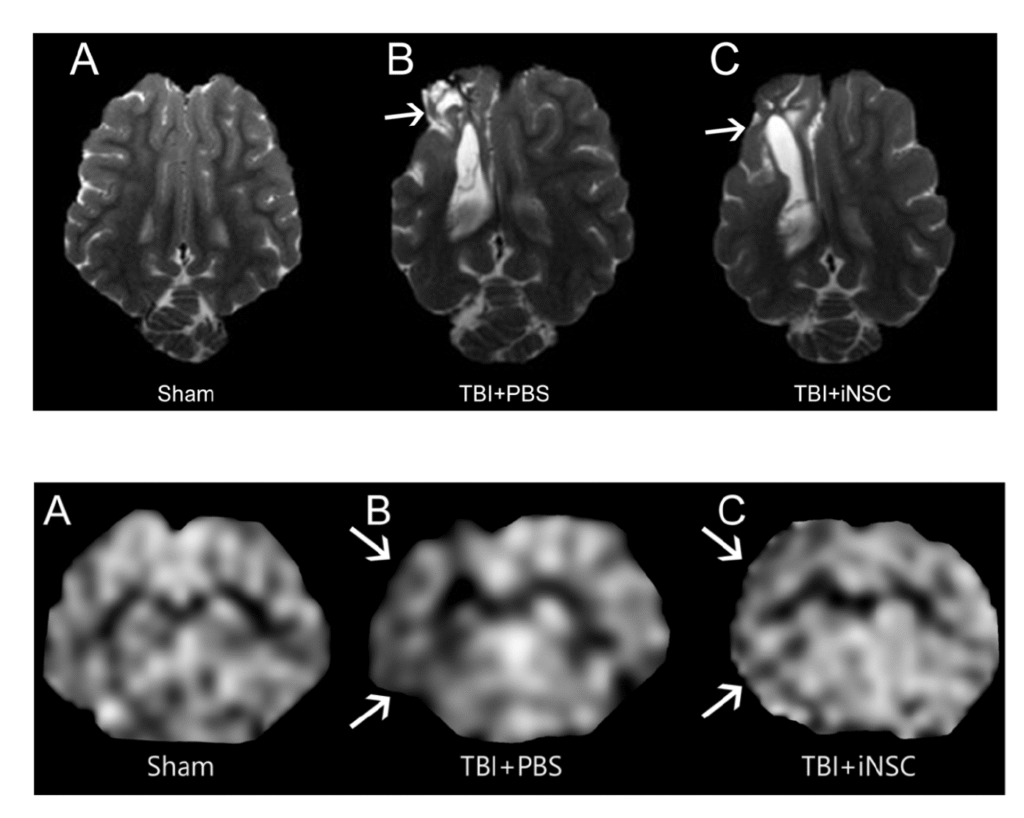
Top: Transplantation of stem cells decreased tissue atrophy and lesion volume in a study using piglet brains effected by TBI. Bottom: Transplantation of stem cells preserved cerebral blood flow in a study using piglet brains effected by TBI.
Scans courtesy of: Schantz, S. L., Sneed, S. E., Fagan, M. M., Golan, M. E., Cheek, S. R., Kinder, H. A., Duberstein, K. J., Kaiser, E. E., & West, F. D. (2024). Human-Induced Pluripotent Stem Cell-Derived Neural Stem Cell Therapy Limits Tissue Damage and Promotes Tissue Regeneration and Functional Recovery in a Pediatric Piglet Traumatic-Brain-Injury Model. Biomedicines, 12(8), 1663. https://doi.org/10.3390/biomedicines12081663
THE ROAD AHEAD: A BRIGHT FUTURE FOR TBI PATIENTS
The advances in stem cell therapy in recent years suggest a bright future for this innovative treatment. Stem cell-based therapies are set to become a standard part of treatment for TBI. With continued investment in research and a growing understanding of the brain’s regenerative capabilities, stem cell therapy holds immense promise for TBI patients.
IN CONCLUSION
Stem cell therapy represents one of the most exciting innovations in medicine, particularly in the treatment of traumatic brain injury. It has the potential to offer not just symptom management, but actual recovery and healing of the brain. The promise of stem cell therapy to treat TBI could transform the lives of millions of people who suffer from brain injuries, restoring their abilities and improving their quality of life. With continued innovation and collaboration in the scientific community, stem cell therapy is becoming a breakthrough treatment that is revolutionizing the field of TBI recovery.
Traumatic brain injury (tbi) is a major concern in both medical and military fields, affecting millions of people worldwide. The impact on brain function may range from mild concussions to severe, life-altering damage. Traditional treatments, such as physical therapy and medication, often address symptoms but may not fully promote brain healing. However, recent studies suggest that ketamine therapy could be an innovative approach in helping patients with TBI recover.
Ketamine is a dissociative anesthetic that has been used for decades in surgical settings. Its ability to block N-methyl-D-aspartate (NMDA) receptors in the brain gives it unique properties, particularly in its ability to induce anesthesia without affecting breathing or heart function. More recently, ketamine has gained attention for its therapeutic potential in treating depression, post-traumatic stress disorder
(PTSD), chronic pain and, as of recent studies, TBI.
TBI may lead to a range of cognitive, emotional and physical impairments due to neuronal damage and inflammation. Ketamine therapy is believed to aid in recovery through several mechanisms:
Neuroplasticity Promotion: One of the most exciting aspects of ketamine’s potential for TBI treatment is its ability to enhance neuroplasticity — the brain’s capacity to reorganize itself by forming new neural connections. This is especially critical after a TBI, where damaged brain cells need to be repaired or replaced. Ketamine has been shown to stimulate the release of brain-derived neurotrophic factor (BDNF), a protein essential for neuron growth and survival.
Reduction of Inflammation: Following a brain injury, inflammation is a significant contributor to secondary brain damage. Ketamine has anti-inflammatory properties that may help reduce the extent of this damage, protecting brain tissue from further harm and supporting recovery.
Glutamate Regulation: Ketamine works by blocking NMDA receptors involved in glutamate signaling. Glutamate is a neurotransmitter crucial for memory and learning but can be neurotoxic in excess. By regulating glutamate levels, ketamine helps prevent further neuronal injury and promotes healthy brain function.
Mood and Cognitive Improvement: TBI patients often experience depression, anxiety and cognitive impairments. Ketamine’s rapid antidepressant effects can improve mood and enhance cognitive function, creating an optimal environment for rehabilitation therapies to be more effective.
While more research is needed to fully understand the scope of ketamine’s benefits for TBI patients, early findings suggest that it could be a breakthrough in brain injury treatment. By promoting neuroplasticity, reducing inflammation and improving mood, ketamine therapy offers hope for those recovering from TBI. As clinical trials progress, ketamine may become an integral part of TBI rehabilitation strategies, providing a new lifeline for patients seeking recovery.
Stephen casper, ph.D., A noted medical historian, offers a critical examination of the rise and decline of recognition of chronic traumatic encephalopathy (CTE) in the context of professional sports. His argument revolves around a paradox: while CTE was once widely acknowledged as a significant danger to athletes, its growing recognition as a problem has led to a dangerous trend where it is increasingly dismissed or ignored, especially in contact sports like football, boxing and hockey.
THE HISTORY OF CTE AWARENESS
Casper’s analysis begins with the origins of CTE as a medical concept. The condition itself, first identified in the 1920s, was initially associated with boxers who suffered from repeated head trauma. In those early days, the condition was known as “punch-drunk syndrome,” a term that was commonly used in the medical community. As research evolved, it became clear that repetitive head trauma in various sports led to a range of cognitive and psychological symptoms, including memory loss, aggression and depression.

Left: A normal, healthy brain. Right: A brain with advanced CTE.
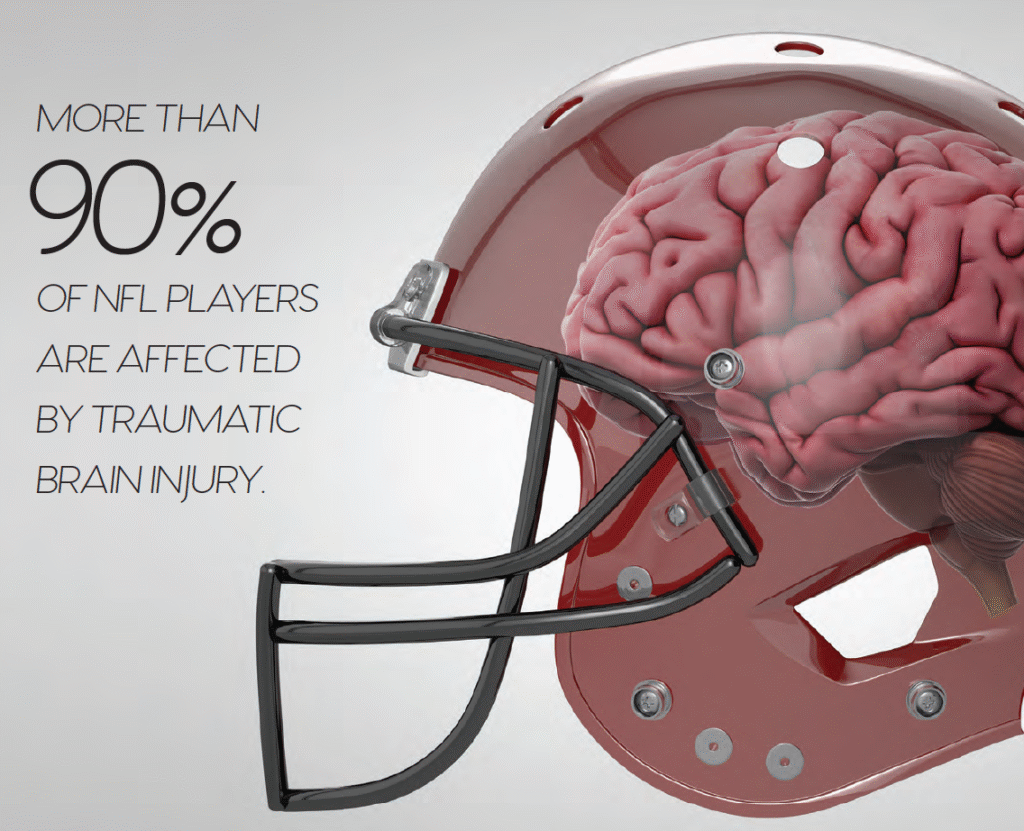
In the latter half of the 20th century, this growing body of evidence led to a broader understanding of CTE. The 1990s and 2000s saw some mainstream attention to the condition, particularly as athletes began to come forward with their stories. For instance, the death of former NFL players, such as Mike Webster, raised questions about the long-term impacts of repetitive head injuries. Posthumous examinations of their brains revealed patterns of degeneration that were consistent with CTE.
For a time, the presence of CTE in athletes was widely acknowledged in both academic circles and the general public. Medical professionals and former athletes began to advocate for reforms in contact sports to limit the risk of head trauma, and there was a growing consensus that something needed to be done to protect players.
THE DECLINE OF RECOGNITION IN PROFESSIONAL SPORTS
Casper argues that, despite the earlier recognition of the dangers of CTE, there has been a troubling shift in professional sports. While CTE remains a central issue in academic and medical research, the sports industry itself has begun to downplay or ignore its potential dangers. This shift can be traced to a few key factors.

THE ECONOMIC AND CULTURAL INTERESTS OF PROFESSIONAL SPORTS
At the heart of this change is the immense financial and cultural power of professional sports. In leagues like the NFL, the NHL and other contact sports organizations, the revenue generated from games, sponsorships and media deals is enormous. The idea of reforming the way the sport is played — or worse, changing the very nature of the game — may be seen as a threat to the financial model that underpins the entire industry.
The resistance to acknowledging CTE’s long-term effects can, therefore, be understood in the context of these powerful economic interests. For instance, while the NFL has faced growing scrutiny for its role in the CTE crisis, the organization has been accused of downplaying the issue, often by funding studies that cast doubt on the extent of the damage caused by head injuries. This has contributed to a culture in which the real dangers of CTE are minimized in favor of maintaining the status quo.
THE PSYCHOLOGICAL DENIAL AMONG ATHLETES
Another contributing factor, according to Casper, is the psychology of professional athletes themselves. Many athletes are deeply invested in the idea of toughness and the willingness to push through pain. In contact sports, there is a long-standing culture of “playing through the pain,” and athletes often view injury as a part of their job, rather than a potential threat to their future well-being. This mindset has led many athletes to dismiss or downplay the risks of CTE, particularly when faced with the potential of their career coming to an end due to health concerns.

Michael Lewis Webster, who died with CTE, was an American football center in the National Football League from 1974 to 1990 with the Pittsburgh Steelers and Kansas City Chiefs. He is a member of the Pro Football Hall of Fame, class of 1997.
Furthermore, there is a significant stigma surrounding mental health in the athletic world, especially among men. Admitting to problems like memory loss, depression, or aggression may be seen as a sign of weakness. The refusal to acknowledge CTE symptoms, therefore, can be understood as a form of self-preservation, as athletes try to maintain their image and identity as invulnerable competitors.

Tiaina Baul “Junior” Seau Jr., who suffers from CTE, was an American professional football linebacker who played in the National Football League, mostly with the San Diego Chargers. Known for his passionate play, he was a 6-time first-team All-Pro, 12-time Pro Bowl selection and named to the NFL 1990s All-Decade Team.
THE ROLE OF MEDICAL EXPERTS AND MEDIA
Casper also critiques the role of the media and medical experts in contributing to the marginalization of CTE. In the early 2000s, when CTE research began to gain attention, the media played an important role in spreading awareness about the condition. However, as the issue became more contentious, some media outlets began to back away from the narrative. Partly due to pressure from sports organizations, the portrayal of CTE began to shift from an established concern to a more disputed topic.
In the case of the NFL, a notable instance of this shift was the release of the movie “Concussion” in 2015, which dramatized the story of Dr. Bennet Omalu, the forensic pathologist who first discovered CTE in football players. The NFL’s response to the film and its portrayal of CTE was one of aggressive denial, leading to public confusion over the true extent of the issue. Some medical professionals also became less willing to engage with the topic of CTE directly, choosing to focus on less controversial topics or minimizing the long-term risks associated with repetitive head trauma.
THE ONGOING PROBLEM: A CALL FOR REFORMS
Despite efforts to downplay the issue, there is still significant concern about the long-term consequences of CTE for athletes. Casper’s work urges a return to a more honest, scientific discussion of the risks posed by contact sports, advocating for reforms such as rule changes to limit head trauma, better concussion protocols and greater education on long-term effects. Moreover, Casper believes the sports industry must move away from denial regarding CTE, prioritizing athletes’ health over the financial interests of leagues and teams. This shift is essential to ensuring athletes’ safety and reducing future cases of CTE.
IN CONCLUSION
Stephen Casper’s work highlights the disturbing trend of CTE’s growing invisibility in professional sports. What was once a widely acknowledged danger has now been relegated to the margins, largely ignored by powerful sports organizations, athletes and media outlets. Casper calls for a return to a serious, evidence-based discussion on CTE, one that prioritizes athletes’ health over economic and cultural forces that downplay head trauma risks. His argument serves as a critical reminder that the fight to protect athletes from CTE is not over and the risks must not be ignored in the pursuit of entertainment and profit.
DREAMING IS A COMPLEX AND MYSTERIOUS ASPECT OF human consciousness, with dreams offering a window into our unconscious mind. While the exact functions of dreams remain elusive, they are considered essential for emotional processing, memory consolidation and even problem-solving. However, when it comes to traumatic brain injury (TBI), the effects on dreaming are not well understood. TBI, which occurs due to an external force to the head, can cause a range of cognitive, emotional and physical impairments. It can also have a profound impact on the dreaming process, which is intricately tied to the brain’s ability to function. This article explores how TBI affects dreaming, the changes in dream patterns and the potential reasons behind these alterations.
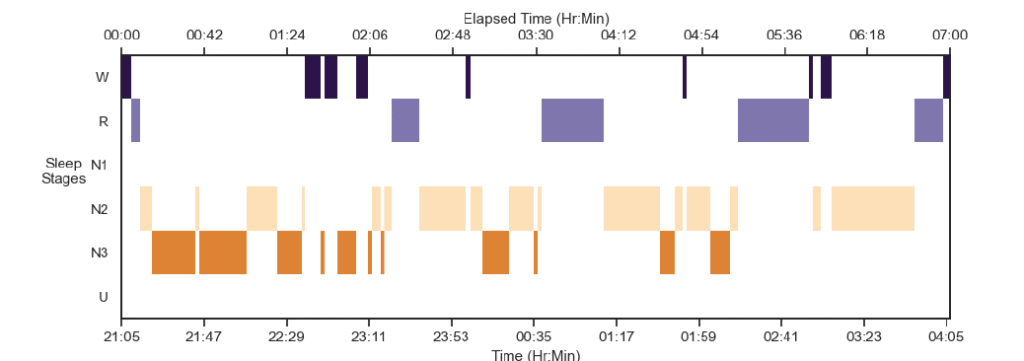
Sleep stages graph (hypnogram) above shows the different stages of sleep of participants during their session.
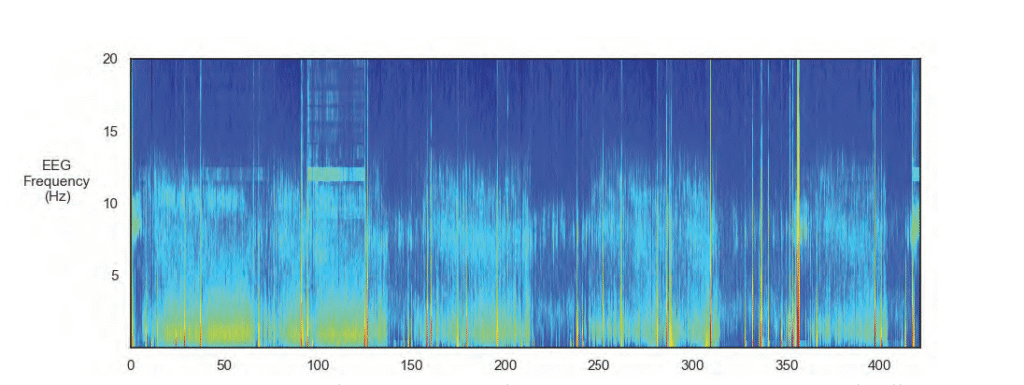
The EEG spectogram image above shows the intensity of brainwave activity over time. High-intensity regions are indicated by tones of red, yellow and green, and low-intensity regions are indicated by tones of blue.
UNDERSTANDING DREAMING AND THE BRAIN
Dreams are primarily associated with rapid eye movement (REM) sleep, a stage of sleep that is crucial for restorative processes in the brain. During REM sleep, brain activity is high, and the brain undergoes various functions, including the processing and consolidation of memories. It is during REM sleep that vivid and often surreal dreams occur. Non-REM sleep stages, especially deep sleep, also play a role in memory consolidation, physical restoration and the maintenance of cognitive functions.
The brain structures that play an essential role in dreaming include the prefrontal cortex, the limbic system (which controls emotions) and the hippocampus (which is involved in memory formation). These regions work together to create the vivid scenarios that we experience while dreaming. Traumatic brain injury can disrupt these brain structures, resulting in changes to the dreaming process, affecting both the content and quality of dreams.
THE IMPACT OF TBI ON DREAMING
The effect of TBI on dreaming varies depending on the severity of the injury, the regions of the brain affected and whether the individual is recovering from the injury. However, several common trends have emerged in research that help to explain the link between TBI and changes in dreaming.
Disruption in REM Sleep
One of the primary effects of TBI on dreaming is a disruption of the sleep cycle, especially REM sleep. Many individuals with TBI report experiencing difficulty entering or maintaining REM sleep, which in turn affects the intensity and frequency of dreams. Some individuals with TBI may experience less REM sleep overall, which reduces the opportunity for dreaming. On the other hand, some individuals report fragmented or disrupted REM sleep, leading to sleep disturbances that may cause nightmares or vivid dreams.
The disturbance in REM sleep following TBI is often linked to the brain’s inability to regulate sleep cycles effectively. Damage to brain regions such as the hypothalamus, which controls the circadian rhythm, and the brainstem, which regulates REM sleep, can result in sleep fragmentation and other disturbances that affect dreaming.
Changes in Dream Content
The content of dreams can be profoundly altered after a traumatic brain injury. Dreams may become more bizarre, fragmented or distressing. Some individuals with TBI report an increase in violent or frightening dreams, including nightmares, possibly due to heightened emotional responses to stress or trauma experienced during the injury. The emotional part of the brain, particularly the amygdala, may be affected by TBI, which could make emotions such as fear, anxiety and anger more dominant in dreams.
Moreover, people with TBI may experience more frequent dreams that revolve around the injury itself or the events surrounding it. These types of dreams may be related to post-traumatic stress, a common condition following a TBI. Dreams may replay the traumatic incident or present variations of the injury experience, leading to increased distress and anxiety. Such dreams are often reflective of the brain’s attempt to process and integrate traumatic memories.
Sleep Apnea and Other Sleep Disorders
Sleep disorders, including sleep apnea, are common in individuals with TBI. Sleep apnea is a condition in which a person’s breathing repeatedly stops and starts during sleep. This leads to reduced oxygen levels in the blood, further disrupting the sleep cycle and negatively affecting REM sleep. The lack of quality REM sleep can significantly impact dreaming, causing a reduction in dream intensity or altering the nature of dreams.
TBI can contribute to the development of sleep apnea by affecting the brainstem, which plays a role in regulating breathing. In addition to sleep apnea, other sleep disorders such as insomnia and restless leg syndrome may also develop after TBI, further affecting sleep quality and, by extension, the dreaming process.
NEUROCHEMICAL CHANGES AND THEIR EFFECT ON DREAMS
The brain’s neurotransmitter systems play a crucial role in regulating sleep and dreaming. TBI can result in alterations in the levels of neurotransmitters such as serotonin, dopamine and acetylcholine, which are all involved in the regulation of sleep and dream activity. Damage to these systems may lead to abnormal sleep cycles, less REM sleep and changes in the emotional tone of dreams.
Serotonin, for example, is critical for maintaining healthy sleep patterns and mood regulation. TBI-related disruptions in serotonin levels may contribute to sleep disturbances, nightmares and emotional instability in dreams. Similarly, changes in dopamine levels can affect motivation, reward systems and mood regulation, leading to more vivid or unusual dreams. Alterations in acetylcholine, a neurotransmitter essential for REM sleep, can directly impact the quality and frequency of dreaming.

NEUROPLASTICITY AND DREAMING POST-TBI
Neuroplasticity, the brain’s ability to reorganize itself and form new neural connections, plays a role in recovery after a traumatic brain injury. As the brain heals and compensates for areas of damage, it may restore some functions, including the ability to engage in normal sleep cycles and experience regular dreams. However, the extent of this recovery depends on the severity of the injury, the areas of the brain affected and the individual’s age and overall health.
In some cases, as neuroplasticity allows the brain to compensate for damage, individuals with TBI may experience a return of more vivid or coherent dreams. Conversely, some individuals may experience persistent disruptions in dreaming as the brain continues to adapt to the injury. The process of neuroplasticity is unique to each individual, and its impact on dreaming remains an area of ongoing research.
POTENTIAL TREATMENTS FOR DREAMING DISTURBANCES FOLLOWING TBI
While there is no definitive treatment to restore normal dreaming after a traumatic brain injury, several strategies may help manage the associated sleep disturbances and improve sleep quality, which, in turn, can support healthier dreaming.
Cognitive Behavioral Therapy for Insomnia (CBT-I): This type of therapy is often used to treat sleep disturbances in individuals with TBI. CBT-I helps individuals identify and address thoughts and behaviors that interfere with sleep, leading to improvements in overall sleep quality, which may also have a positive effect on dreaming.
Pharmacological Interventions: Medications such as antidepressants, antianxiety drugs or sleep aids may
be prescribed to individuals with TBI who suffer from nightmares or other sleep disturbances. These medications may help to regulate sleep patterns and reduce the frequency of nightmares.
Relaxation Techniques: Techniques such as meditation, deep breathing and progressive muscle relaxation may help individuals with TBI reduce stress and anxiety before sleep, leading to improved sleep quality and potentially less disturbing dreams.
Sleep Hygiene Education: Establishing a consistent sleep routine and creating a calm and comfortable sleep environment can improve sleep quality, leading to better recovery and less disruption to dreaming. Sleep hygiene strategies may include maintaining a consistent sleep-wake cycle, avoiding caffeine and alcohol before bedtime and minimizing screen time in the hours leading up to sleep.
Nightmare Management: Individuals who suffer from frequent nightmares related to TBI may benefit from therapies that focus on trauma resolution, such as EMDR (eye movement desensitization and reprocessing) or trauma-focused cognitive-behavioral therapy. These approaches aim to reduce the emotional impact of traumatic memories, potentially decreasing the frequency and intensity of nightmares.
IN CONCLUSION
The effects of traumatic brain injury on dreaming are varied and complex, reflecting the intricate nature of the brain’s sleep and memory systems. TBI can lead to disruptions in REM sleep, changes in dream content, increased nightmares and memory difficulties related to dream recall. These disturbances are influenced by various factors, including neurochemical changes, emotional responses to trauma and disruptions in brain regions responsible for sleep regulation.
Although many individuals with TBI experience significant changes to their dreams, there are effective strategies for managing these disturbances, including cognitive behavioral therapies, pharmacological interventions and lifestyle changes. By addressing the underlying sleep issues, it is possible to improve sleep quality, reduce nightmares and enhance the overall healing process following a traumatic brain injury. As research into the relationship between TBI and dreaming continues, a better understanding of these processes may lead to more targeted treatments and interventions.
Contribute to the TBI Times