Traumatic brain injury (TBI) remains one of the most significant public health challenges worldwide, affecting millions of individuals each year and contributing to long-term disability, cognitive impairment, and reduced quality of life. Over the past three decades, TBI research has expanded dramatically, with more than 40,000 scientific publications contributing to our understanding of injury mechanisms, diagnosis, treatment, and rehabilitation. Bibliometric studies examining publication volume, citation impact, and scientific influence consistently identify a relatively small group of researchers whose work has shaped modern TBI science.
While citation rankings vary depending on the database and methodology used, the following researchers are widely recognized among the most cited and influential contributors in contemporary TBI research.
- David K. Menon
Often identified as one of the most impactful authors in TBI literature, Menon's work has transformed understanding of severe brain injury, intracranial pressure monitoring, neurocritical care, and outcome prediction. He played a leading role in the landmark CENTER-TBI project, one of the largest TBI research collaborations ever undertaken. Bibliometric analyses consistently rank him among the field's most influential authors. - Andrew I. R. Maas
Maas has authored numerous foundational papers on TBI classification, prognosis, and treatment guidelines. His research helped establish many of the standards used internationally in traumatic brain injury care. - Geoffrey T. Manley
A leading figure in neurotrauma research, Manley has contributed extensively to biomarker development, advanced neuroimaging, concussion research, and multicenter clinical trials. His work has helped bridge laboratory discoveries and patient care. - Douglas H. Smith
Smith's pioneering studies on diffuse axonal injury fundamentally changed understanding of how traumatic forces damage neural networks. His laboratory has produced some of the most cited work on TBI pathophysiology and chronic neurodegeneration. - Ross D. Zafonte
Zafonte is one of the world's leading authorities on TBI rehabilitation. His research focuses on recovery, neurobehavioral outcomes, and long-term management of brain injury survivors. - Harvey S. Levin
Levin's contributions have significantly advanced understanding of cognitive deficits, memory dysfunction, and recovery patterns following traumatic brain injury. His work remains heavily cited across neuropsychology and rehabilitation literature. - John T. Povlishock
Povlishock's laboratory studies helped establish many of the biological mechanisms underlying secondary brain injury and cellular damage after trauma. His publications continue to serve as foundational references in neurotrauma science. - Ann C. McKee
McKee's groundbreaking investigations into chronic traumatic encephalopathy (CTE) transformed scientific understanding of repetitive head impacts, sports concussion, and long-term neurodegenerative consequences of brain trauma. - Michael D. McCrea
McCrea has been instrumental in advancing concussion assessment, return-to-play protocols, and sports-related brain injury management. His studies are among the most cited in mild TBI and concussion research. - Frederic M. Hammond
Hammond is recognized as one of the most productive and cited investigators in TBI rehabilitation. His work has focused on functional outcomes, long-term recovery, and quality-of-life measures among survivors. Bibliometric analyses of rehabilitation research identify him as one of the field's most prolific authors.
Why Citation Impact Matters
Highly cited researchers do more than publish influential papers—they shape clinical practice, treatment guidelines, and future research directions. Their work has driven major advances in neuroimaging, biomarkers, critical care management, rehabilitation strategies, and our understanding of chronic neurological consequences following brain injury. As TBI research increasingly incorporates artificial intelligence, precision medicine, blood biomarkers, and advanced imaging technologies, many of these investigators continue to lead large international collaborations that define the next generation of brain injury care.
The rapid growth of TBI publications over the last two decades reflects both the complexity of brain injury and the urgent need for improved treatments. While no single researcher can solve the challenges posed by TBI, the collective contributions of these scientific leaders have fundamentally transformed how clinicians diagnose, monitor, and treat brain injuries around the world. Their work continues to influence thousands of studies annually and provides the foundation for future breakthroughs that may ultimately improve outcomes for millions of TBI survivors.

Starting in August 2025, the State Bar began implementing reviews of client trust accounting. Proposed Scope of Client Trust Account Protection Program Compliance Review Procedures, State Bar of California (July 10, 2025), https://www.calbar.ca.gov/About-Us/Our-Mission/Protecting-the-Public/Public-Comment/Public-Comment-Archives/2025-Public-Comment/Proposed-Scope-of-Client-Trust-Account-Protection-Program-Compliance-Review-Procedures. These changes are already greatly impacting attorneys individual practices in California, and it is imperative that all legal professionals educate themselves on the new requirements.
Attorneys selected for compliance reviews will have to pay hefty fees to State Bar approved CPAs to audit their trust accounts, and the audits are not limited to reviewing that the bank statements reflect the account journals maintained by the attorneys. Instead, these audits or compliance reviews will demand on a short turnaround that attorneys provide evidence in the form of client communications to show that they notified clients and third parties of receipt of funds within 14 days and distributed undisputed funds within 45 days as required by Rule of Professional Conduct 1.15(d).
The Client Trust Account Protection Program (CTAPP), approved by the Supreme Court in January of 2023, provides that the State Bar must establish and administer CTAPP, ensuring that “client funds be held in trust by a licensee that facilitates the State Bar’s detection and deterrence of client trust account misconduct.” Cal. Rules of Court, rule 9.8.5. As a result, the State Bar is granted authority to conduct compliance reviews of client trust accounting.
CTAPP reviews are broken up into four phases: Planning, Compliance, Accounting, and Supervision. State Bar of Cal., Proposed Scope of Client Trust Account Protection Program Compliance Review Procedures (July 10, 2025). https://www.calbar.ca.gov/Portals/0/documents/publicComment/2025/Proposed-Scope-of-CTAPP-Compliance-Review-Procedures.pdf Each phase is governed by applicable statutes and rules. Id. As discussed below, Rule 2.6 with respect to compliance reviews and investigatory audits is outlined under the Planning phase of CTAPP.
In February 2025, the State Bar adopted new Rule 2.6, which outlines compliance review and investigative audit procedures. Rules of State Bar of Cal., rule 2.6. Under Rule 2.6, if selected, a licensee must comply with the State Bar and complete a trust account compliance review, investigative audit, and subject to any findings, fulfill any requirements mandatory of a corrective action plan. Id. Licensees are responsible for designating a State Bar approved Certified Public Accountant (CPA) to conduct the review at their own expense and provide any requested trust account records. Id. This expense will likely cost upwards of $10,000 and can even cost up to $25,000. Those attorneys grossing under $150,000 and who qualify for financial relief can request an in-house audit by the auditors on the State Bar’s payroll. If a licensee is selected, it not only affects the individual licensee, as all licensees of their firm may become subject to “requests for information, requests for responses to questions, and must comply with any mandatory corrective action plan.” Rule 2.6.
According to the new rules for CTAPP audit, if selected the licensee will have to submit to a compliance review which will review no less than one year of trust account activity. Rule 2.6. If selected, the licensee must report the name of the State Bar approved CPA selected following State Bar specifications within 30 days of receipt of notice. Id. If the selected individual is not the designated licensee per Rule 2.4, they must provide names, license numbers, and contact information for the designated licensee. Id. If no designated licensee exists, they must provide names, license numbers, and contact information for the account holder or signatory and the individual responsible for monthly trust account reconciliation. Id. Licensees must also fully comply with and respond to all questions and requests for additional documentation from the State Bar and State Bar approved CPA. Id. After all records have been provided, the selected licensee must provide a signed statement of representation on a State Bar provided form. Id. Finally, within 14 days of completion of the compliance review, licensees must submit an acknowledgment of receipt of any findings.
The State Bar has released a short list of four approved CPA firms from which selected attorneys may choose from:
Sensiba, Lisa Graham, CPA, 2700 Camino Ramon, Suite 140
San Ramon, CA 94583 or 45 River Park Place West, Suite 202
Fresno, CA 93720, Phone: 559-437-0700 ext. 3297, Email:
BHH CPAs, Shelton Autry, CPA, 620 West Cromwell Avenue, Suite 106, Fresno, CA 93711, Phone: 559-221-5071, Email:
Gursey Schneider LLP, Gary Krausz, CPA/CFF, 2121 Avenue of the Stars, Suite 1300, Los Angeles, CA 90067, Phone: 310-691-1794, Email:
Weaver, Peter Lee, CPA CGMA, 800 South Figueroa Street, Suite 780, Los Angeles, CA 90017, Phone: 310-382-5390, Email:
The fact that only four CPA firms managed to be approved for the CTAPP audits means that they will be in high demand, with licensees selected for audit to be clamoring for their services.
For those licensees who are selected for investigative audit, based on the results of the compliance review (Rule 2.6), their accounts will be audited for no less than three years of trust account activity. Id. If selected, a licensee has 14 days to submit any requested trust account records following State Bar specifications, cooperate with and respond to all questions and requests for additional information by the State Bar related to the safekeeping of client or third-party funds, produce records related to non-trust accounts if entrusted funds are held in an account other than a trust account, and provide a signed statement of representation on a State Bar provided form after all required records have been submitted.
The requirement for licensees to provide evidence that notice of receipt of funds has been provided to clients and third parties within 14 days and that undisputed funds for identified clients be distributed within 45 days goes beyond ensuring trust records are in accordance with bank records. These communications will necessarily invade attorney client privilege communications, and the rule changes attempt to abrogate the confidentiality and privileged status of such communications if the State Bar is to make such requests.
Additionally, there is a valid concern of the unlawful practice of law for a CPA to provide expert legal opinions as to whether a lawyer has complied with a rule of professional conduct by notifying clients within 14 days without any rules or regulations as to the scope of work that the CPA is retained to do. Without any parameters governing CPA conduct, there is a potential for abuse and overreach.
Starting the last week of September, the State Bar launched its five-week mandatory CTAPP compliance review program. State Bar Launches Mandatory Client Trust Account Compliance Reviews, State Bar of California (September 29, 2025), State Bar Launches Mandatory Client Trust Account Compliance Reviews - The State Bar of California - News Releases. 100 attorneys statewide will be chosen at random to participate in evaluations of their trust account recordkeeping with 20 attorneys notified each week between September 29, 2025- October 31, 2025. Id. Special Counsel in the Division of Regulation, Steven Moaward released a statement praising the progression of mandatory reviews a step towards “strengthening client trust account practices statewide and deterring public harm before it occurs.” Id.
The proposed set of rules on CTAPP compliance will disproportionally affect small firms and solo practitioners. It is highly recommended that all attorneys seek resources to help ensure they have a solid understanding of their CTAPP obligations, including keeping up with reporting deadlines and changes in requirements. Both the Solo and Small Firm Summit as well as the State Bar are offering courses to provide guidance for attorneys when navigating CTAPP requirements. The Solo and Small Firm Summit offers a course on Client Trust Accounting for 1.25 hours of MCLE credit. The State Bar currently offers a training course on Practical Trust Account Reconciliation for 1 hour general and 1 hour ethics MCLE credit. More information on these resources can be found on the State Bar of California’s website: https://www.calbar.ca.gov/Attorneys/Conduct-Discipline/Client-Trust-Accounting-IOLTA/CTAPP-Training#:~:text=Improve%20your%20client%20trust%20accounting,Additional%20MCLE%20courses. Taking the time to solidify your understanding of what these changes will mean in your individual practice is key to avoiding a difficult audit or being found out of compliance with the new CTAPP rules.
Traumatic brain injuries in children are often misunderstood, underestimated, or missed entirely—yet their impacts can extend far beyond the immediate aftermath. Because a child’s brain is still developing, an injury that seems minor at age six can influence cognitive, emotional, and behavioral functioning well into adulthood. Pediatric neuropsychologist Dr. Evan Cruz explains it simply: “A child’s brain is still wiring itself. An injury early on can echo for decades.”
A Vulnerable Brain Still Under Construction
Children’s brains are remarkably adaptable, but that flexibility comes with risk. Unlike adults, whose neural pathways are largely established, a child’s brain is actively forming new connections. This means a disruption from a fall, sports injury, or car accident can derail development at a critical moment.
“Where an adult might lose a skill, a child might never fully develop it,” says pediatric neurologist Dr. Maya Roen. “That’s the hidden danger. You don’t always see the effects until years later.”
These “sleeper effects” can manifest as academic difficulties, emotional regulation problems, ADHD-like symptoms, or challenges with memory and processing speed—sometimes not appearing until adolescence, when cognitive demands increase.
Delayed Symptoms Can Mask the True Impact
Parents often assume that if their child seems fine after a bump or brief loss of consciousness, all is well. But TBIs in children frequently present subtly or with delayed onset.
According to Dr. Cruz, “Children can compensate surprisingly well in the short term. The trouble arises as they hit new developmental milestones. What looked like a full recovery at age eight can show up as learning struggles at age thirteen.”
This lag complicates diagnosis. Teachers may attribute behavioral changes to puberty or stress, while pediatricians might treat headaches or sleep issues individually without connecting them to a past injury.
Long-Term Consequences into Adulthood
Research and clinical experience show that childhood TBIs can influence adult success, mental health, and independence.
Neurorehabilitation specialist Dr. Lila Hastings emphasizes, “We see adults who had a concussion as a child and were never the same academically or emotionally. They may struggle with planning, job performance, or social relationships, yet never realize it traces back to that early injury.”
Adults who sustained TBIs as children also show higher rates of:
- Depression and anxiety
- Substance use disorders
- Impulse-control difficulties
- Learning disabilities
- Social and relationship challenges
While not every child with a TBI experiences these issues, the risks are significant enough that ongoing monitoring is crucial.
The Power of Early Intervention
Experts agree that proactive treatment and long-term follow-up offer the best chance for positive outcomes.
“A single evaluation right after the injury isn’t enough,” says Dr. Roen. “We need to check in at key developmental stages—early school years, puberty, and the transition to adulthood.”
Early neuropsychological testing, speech or occupational therapy, counseling, and individualized educational plans (IEPs) can all help.
Dr. Cruz adds, “The brain is resilient. With the right support, kids can do incredibly well. But we can’t help them if we don’t recognize the injury’s long-term footprint.”
A Lifelong Lens on Early Injuries
The story of pediatric TBIs is one of hidden injuries and long shadows—but also hope. With awareness, monitoring, and targeted interventions, children can grow into thriving adults despite early trauma.
Disclaimer: This article is for informational purposes only and is not medical or legal advice.
Cognitive training with artificial intelligence (AI) is an exciting and innovative approach to treating traumatic brain injury (TBI), offering potential for enhancing recovery in patients who suffer from cognitive impairments following brain trauma. TBI can lead to a range of difficulties, including memory loss, attention problems and impaired decision-making, all of which can severely affect a person’s quality of life. While traditional rehabilitation methods focus on physical and occupational therapy, AI-driven cognitive training aims to specifically target and improve brain functions through personalized, technology-based interventions.
AI-powered cognitive training systems use sophisticated algorithms to assess an individual’s cognitive abilities and design tailored exercises to address specific deficits. These systems can adapt in real time to the user’s performance, increasing the difficulty of tasks as improvements are made or providing more support if progress is slow. By doing so, AI can create a highly personalized training experience that is more dynamic and engaging than traditional methods. This adaptability makes AI a promising tool for helping TBI patients recover cognitive functions more efficiently.
For individuals recovering from TBI, cognitive training may involve exercises that challenge memory, attention, problem-solving and executive function. For example, virtual reality (VR) programs powered by AI can immerse patients in controlled environments where they practice tasks such as navigating spaces, recalling information or managing emotions. Additionally, AI systems can track progress over time, providing detailed feedback to clinicians and patients. This data helps adjust therapy programs, ensuring that the exercises remain relevant and continue to challenge the brain.
The integration of AI with cognitive training can also offer real-time monitoring, allowing clinicians to detect early signs of cognitive decline or recovery. AI can analyze vast amounts of data from brain activity, neuroimaging and behavioral patterns, helping to identify subtle changes that may not be immediately apparent through conventional methods.
While AI-based cognitive training offers many potential benefits, challenges remain, particularly in terms of accessibility, cost and ensuring that these technologies are used in conjunction with traditional rehabilitation methods. However, as AI continues to evolve and become more integrated into health care, it holds promise for revolutionizing TBI treatment, providing more effective and personalized rehabilitation solutions to enhance cognitive recovery and improve the overall well-being of TBI patients.
Traumatic brain injury (TBI) has long been called the “invisible injury.” While patients may struggle with memory lapses, mood changes, or cognitive impairment, standard imaging techniques often fail to reveal the full extent of the damage. That is beginning to change, thanks to a powerful combination of technological advancements, innovative imaging techniques, and highly trained specialists—a trio that is redefining the field of neuroradiology.
At the heart of this renewal are ultra-powerful MRI scanners. Modern machines with magnetic fields of 3 Tesla and higher are dramatically improving the resolution and sensitivity of brain imaging. These systems capture fine structural details that older scanners simply could not detect, allowing radiologists to identify subtle lesions, micro-hemorrhages, and diffuse axonal injury—hallmarks of TBI that were previously difficult to visualize. The power of these scanners gives clinicians a window into the brain’s inner architecture, revealing injuries that were once invisible.
Equally transformative are cutting-edge MRI and DTI (diffusion tensor imaging) techniques. DTI measures the diffusion of water molecules along neural pathways, providing a map of white matter integrity. For TBI patients, this can reveal disruptions in connectivity that explain cognitive and functional deficits, even when conventional MRI appears normal. Other advanced MRI methods, including susceptibility-weighted imaging (SWI) and functional MRI (fMRI), offer complementary insights, from microvascular damage to changes in brain activation patterns. Together, these techniques give a multidimensional view of injury, connecting structural abnormalities with functional consequences.
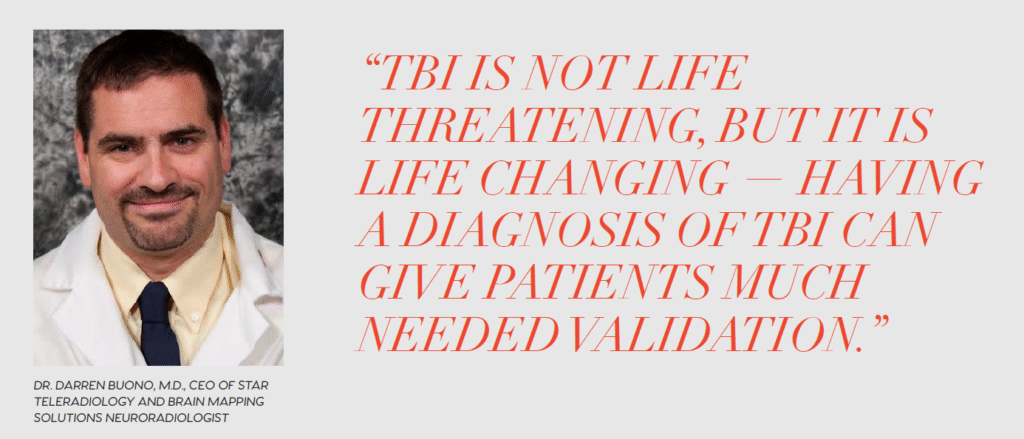
The final piece of the puzzle is the expertise of board-certified neuroradiologists who specialize in brain injury. Technology alone cannot make a diagnosis; interpreting complex imaging data requires deep knowledge of anatomy, pathology, and the subtleties of TBI. Specialized neuroradiologists are now collaborating closely with neurologists, rehabilitation physicians, and neuropsychologists to ensure that every scan informs patient care. Their expertise enables precise localization of injury, guides treatment planning, and supports long-term monitoring of recovery or progression.
The synergy of these three forces—the scanners, the imaging techniques, and the specialists—is not just improving diagnosis; it is transforming the entire patient experience. Early and accurate identification of TBI can guide rehabilitation strategies, inform workplace or school accommodations, and provide critical documentation for insurance or legal purposes. Patients who were once left with uncertainty now have clarity, and clinicians have actionable information to guide treatment decisions.
This “magnetic trio” is also pushing research forward. Clinical studies now use high-resolution MRI and DTI to explore the mechanisms of brain injury, track recovery trajectories, and evaluate new therapies. With each new study, the field moves closer to understanding TBI not as a single event, but as a complex, evolving condition that requires nuanced, individualized care.
In short, the field of neuroradiology is experiencing a renaissance. Powerful MRI scanners, sophisticated imaging techniques, and highly skilled specialists are working together to turn invisible injuries into visible ones, giving patients, families, and clinicians the tools they need to confront TBI with confidence. The future of brain injury care is magnetic—and it is already here.
Every year, 1.7 million people in the US sustain a traumatic brain injury (TBI). Psychiatric disorders frequently complicate the course of recovery from TBI and occur at rates exceeding those of the general population. Major depression is the most common psychiatric disorder following TBI, affecting an estimated 29.4% of patients in the first year post-injury alone. TBI-associated depression contributes to higher suicide risk, altered executive function, poorer social reintegration, and vocational outcomes, and decreased quality of life.
TBI has long been associated with changes in mood, personality, and behavior. Research suggests that psychiatric disorders may be present at increased rates after TBI and for this reason, TBI is considered by some medical professionals to be a risk factor for psychiatric diagnosis. “One example of how TBI can be connected with mood or anxiety disorders is when the cognitive complications associated with the TBI result in profound changes in the patient’s life. If they can no longer work and experience financial hardship or loss in purpose, this can lead to depression and anxiety,” says Dr. Emin Gharibian, Psy.D., founder, and director of Verdugo Psychological Associates.
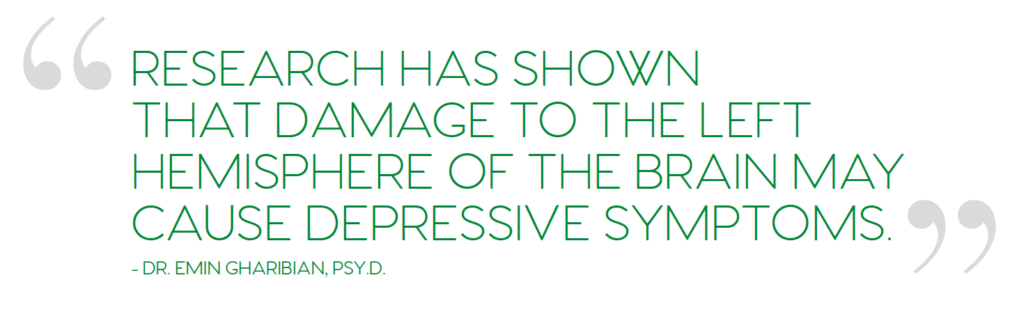
Research has shown that the specific area of the brain affected by the TBI translates directly to the potential side effects a patient may experience. For example, injuries on the right side of the head are more likely to cause manic symptoms, and injuries on the left side of the head are more likely to cause depressive symptoms. Frontal-cortex injuries can lead to behaviors that are typically associated with personality disorders. This is because the frontal-cortex region of the brain is directly responsible for emotional regulation.
The chronic and relapsing course of TBI-associated depression poses a challenge to the management of afflicted patients. Two-thirds of patients depressed at 1-year post-injury remain so in the second year, and the risk of depression remains elevated for 20 to 30 years after the injury. The high prevalence, chronicity, and potentially irreversible consequences of post-TBI depression underscore the importance of developing interventions targeting this disorder.
The length of time it takes for a patient with TBI to recover directly influences their chances of facing long term depression. With an extended recovery time, a patient’s socialization, work, autonomy, or even their ability to communicate will be affected. Changes in your typical routines and habits have a direct effect on your mental state and quality of life. Because of that, lingering TBI symptoms are strong activators of the behavioral inhibition system, causing symptoms of depression. Once the behavioral inhibition system is disturbed, the ability to feel pleasure or satisfaction can be lost.
For TBI patients, not only is that inhibition system overactive, but they’ve lost many of the activities that could jumpstart their behavioral activation system (which would help calm down the inhibition system and allow feelings of reward and pleasure again). Other factors to consider are sleep and pain. Many TBI patients experience disruption to their normal sleep patterns, and sleep deprivation itself can result in depressive symptoms. Additionally, the symptoms of depression can make it harder to sleep, so they work together to make everything feel worse. Coping with continuous pain is another factor. It is difficult for the brain chemistry to return to its normal state if it is reacting to pain signals.
There are many ways to cope with post-TBI depression. Talking to close family or friends about how you are feeling is a great way to minimize isolation. Isolation exacerbates depression so it should be avoided if at all possible. If you are struggling with being in a crowd or around people, try to meet with one close friend in a quiet location. Research shows that listening to uplifting music, engaging in a creative activity, or reading a book are effective ways of coping with depression. Exercise is also a strongly proven antidote for depression. Just a few minutes each day will produce significant results. Most importantly, seek the support of a professional who has experience treating patients with TBI.
A TBI patient’s prognosis as it relates to depression is highly dependent on the type of TBI they experience. Patients who sustain an mTBI (minor TBI) tend to recover quickly, within one to three weeks, with little to no lingering symptoms. In these cases, depression is less of a concern. In a small percentage of mTBI injuries, patients may experience side effects for up to three months, and as mentioned previously, longer recovery times can lead to long-term depression.
Complicated mTBIs can cause more cognitive impairment than uncomplicated mTBIs, and in the latter, recovery can take up to six months and mirror the recuperation associated with a moderate TBI.
Sustaining a TBI can be a lifelong challenge and can require a range of resources and strategies that extend far beyond initial recovery. When depression is a factor in recovery, it can be even more challenging. Neuropsychologists and neuropsychiatrists are not only important for diagnosis and first phases of treatment but can also be an important part of a long-term treatment plan which addresses mood and emotional wellbeing, helping TBI survivors thrive in their daily lives long after their injury.
Stephen casper, ph.D., A noted medical historian, offers a critical examination of the rise and decline of recognition of chronic traumatic encephalopathy (CTE) in the context of professional sports. His argument revolves around a paradox: while CTE was once widely acknowledged as a significant danger to athletes, its growing recognition as a problem has led to a dangerous trend where it is increasingly dismissed or ignored, especially in contact sports like football, boxing and hockey.
THE HISTORY OF CTE AWARENESS
Casper’s analysis begins with the origins of CTE as a medical concept. The condition itself, first identified in the 1920s, was initially associated with boxers who suffered from repeated head trauma. In those early days, the condition was known as “punch-drunk syndrome,” a term that was commonly used in the medical community. As research evolved, it became clear that repetitive head trauma in various sports led to a range of cognitive and psychological symptoms, including memory loss, aggression and depression.

Left: A normal, healthy brain. Right: A brain with advanced CTE.
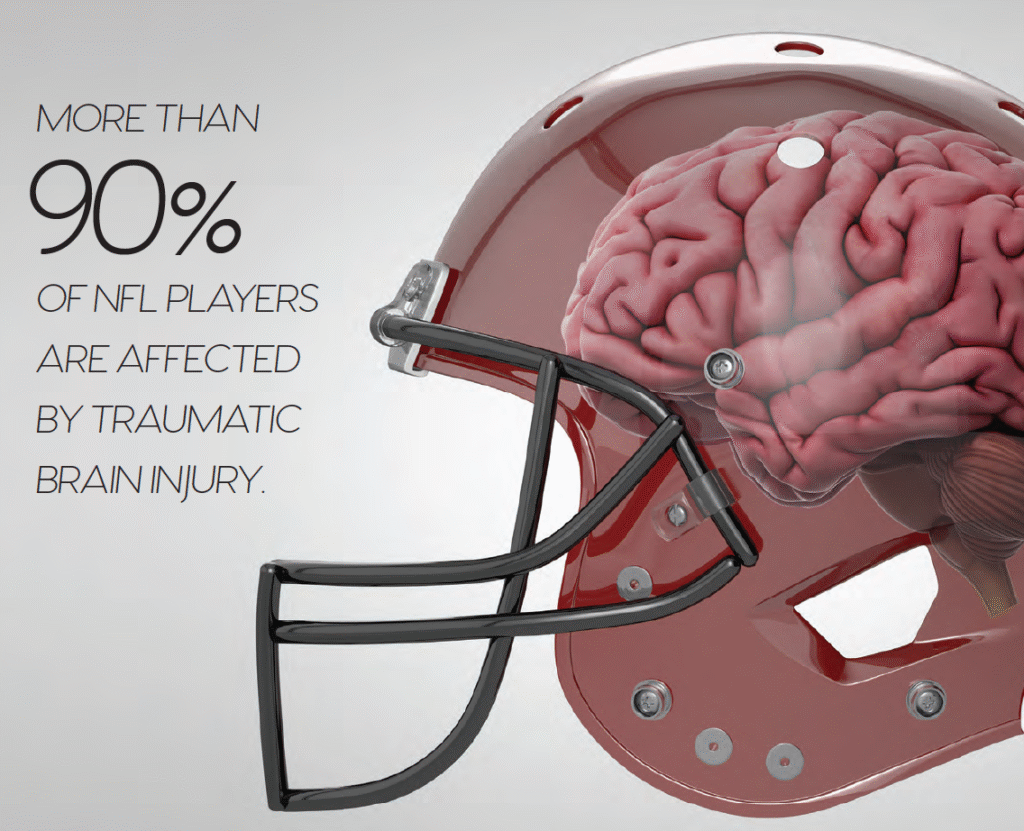
In the latter half of the 20th century, this growing body of evidence led to a broader understanding of CTE. The 1990s and 2000s saw some mainstream attention to the condition, particularly as athletes began to come forward with their stories. For instance, the death of former NFL players, such as Mike Webster, raised questions about the long-term impacts of repetitive head injuries. Posthumous examinations of their brains revealed patterns of degeneration that were consistent with CTE.
For a time, the presence of CTE in athletes was widely acknowledged in both academic circles and the general public. Medical professionals and former athletes began to advocate for reforms in contact sports to limit the risk of head trauma, and there was a growing consensus that something needed to be done to protect players.
THE DECLINE OF RECOGNITION IN PROFESSIONAL SPORTS
Casper argues that, despite the earlier recognition of the dangers of CTE, there has been a troubling shift in professional sports. While CTE remains a central issue in academic and medical research, the sports industry itself has begun to downplay or ignore its potential dangers. This shift can be traced to a few key factors.

THE ECONOMIC AND CULTURAL INTERESTS OF PROFESSIONAL SPORTS
At the heart of this change is the immense financial and cultural power of professional sports. In leagues like the NFL, the NHL and other contact sports organizations, the revenue generated from games, sponsorships and media deals is enormous. The idea of reforming the way the sport is played — or worse, changing the very nature of the game — may be seen as a threat to the financial model that underpins the entire industry.
The resistance to acknowledging CTE’s long-term effects can, therefore, be understood in the context of these powerful economic interests. For instance, while the NFL has faced growing scrutiny for its role in the CTE crisis, the organization has been accused of downplaying the issue, often by funding studies that cast doubt on the extent of the damage caused by head injuries. This has contributed to a culture in which the real dangers of CTE are minimized in favor of maintaining the status quo.
THE PSYCHOLOGICAL DENIAL AMONG ATHLETES
Another contributing factor, according to Casper, is the psychology of professional athletes themselves. Many athletes are deeply invested in the idea of toughness and the willingness to push through pain. In contact sports, there is a long-standing culture of “playing through the pain,” and athletes often view injury as a part of their job, rather than a potential threat to their future well-being. This mindset has led many athletes to dismiss or downplay the risks of CTE, particularly when faced with the potential of their career coming to an end due to health concerns.

Michael Lewis Webster, who died with CTE, was an American football center in the National Football League from 1974 to 1990 with the Pittsburgh Steelers and Kansas City Chiefs. He is a member of the Pro Football Hall of Fame, class of 1997.
Furthermore, there is a significant stigma surrounding mental health in the athletic world, especially among men. Admitting to problems like memory loss, depression, or aggression may be seen as a sign of weakness. The refusal to acknowledge CTE symptoms, therefore, can be understood as a form of self-preservation, as athletes try to maintain their image and identity as invulnerable competitors.

Tiaina Baul “Junior” Seau Jr., who suffers from CTE, was an American professional football linebacker who played in the National Football League, mostly with the San Diego Chargers. Known for his passionate play, he was a 6-time first-team All-Pro, 12-time Pro Bowl selection and named to the NFL 1990s All-Decade Team.
THE ROLE OF MEDICAL EXPERTS AND MEDIA
Casper also critiques the role of the media and medical experts in contributing to the marginalization of CTE. In the early 2000s, when CTE research began to gain attention, the media played an important role in spreading awareness about the condition. However, as the issue became more contentious, some media outlets began to back away from the narrative. Partly due to pressure from sports organizations, the portrayal of CTE began to shift from an established concern to a more disputed topic.
In the case of the NFL, a notable instance of this shift was the release of the movie “Concussion” in 2015, which dramatized the story of Dr. Bennet Omalu, the forensic pathologist who first discovered CTE in football players. The NFL’s response to the film and its portrayal of CTE was one of aggressive denial, leading to public confusion over the true extent of the issue. Some medical professionals also became less willing to engage with the topic of CTE directly, choosing to focus on less controversial topics or minimizing the long-term risks associated with repetitive head trauma.
THE ONGOING PROBLEM: A CALL FOR REFORMS
Despite efforts to downplay the issue, there is still significant concern about the long-term consequences of CTE for athletes. Casper’s work urges a return to a more honest, scientific discussion of the risks posed by contact sports, advocating for reforms such as rule changes to limit head trauma, better concussion protocols and greater education on long-term effects. Moreover, Casper believes the sports industry must move away from denial regarding CTE, prioritizing athletes’ health over the financial interests of leagues and teams. This shift is essential to ensuring athletes’ safety and reducing future cases of CTE.
IN CONCLUSION
Stephen Casper’s work highlights the disturbing trend of CTE’s growing invisibility in professional sports. What was once a widely acknowledged danger has now been relegated to the margins, largely ignored by powerful sports organizations, athletes and media outlets. Casper calls for a return to a serious, evidence-based discussion on CTE, one that prioritizes athletes’ health over economic and cultural forces that downplay head trauma risks. His argument serves as a critical reminder that the fight to protect athletes from CTE is not over and the risks must not be ignored in the pursuit of entertainment and profit.
Traumatic brain injury (TBI) is a common and often serious condition that occurs in accidents involving an impact to the head. In many cases, the victim does not realize the full extent of their injury until months or even years after the trauma has occurred and symptoms surface. This can result in great personal suffering and even monetary repercussions for example a personal injury case being settled before it is clear that the victim has a brain injury.
Although fragile bones can mend, TBI can leave a person’s life irrevocably changed, permanently damaging their relationships, work, mental capacity, and quality of life. For these reasons, it is important for those who have experienced head trauma to be acutely aware of the potential of TBI so that they may seek out treatment as soon as possible. TBIs can range from mild (concussions) to severe, with causes ranging from simple slip and fall injuries or major motor vehicle collisions to full-contact sports injuries.
From a physiological perspective, TBI trauma occurs as a consequence of a sudden acceleration or deceleration or by a complex combination of both movement and sudden impact. Depending on the severity of the injury, the required treatment may be minimal or multidimensional and can include various types of intervention. This is called team-based treatment and is defined as professionals from a range of disciplines working together to deliver comprehensive care that addresses as many of the patient’s needs as possible. In this treatment model, care can be provided by a range of professionals functioning as a team under one organizational umbrella or by professionals from a range of organizations brought together as a unique team. As a patient’s condition changes over time, the composition of the team may change to reflect the changing clinical and psychosocial needs of the patient.
There are many options available to doctors when taking a multifaceted approach to diagnosing and treating TBI. Symptom triggers can be successfully identified through cognitive therapy, surgical intervention is also appropriate in some cases, and medication can play an important role in managing symptoms.
We talked to two authorities in their fields, Dr. Fardad Mobin, M.D. (a neurosurgeon), and Dr. Rod Amiri, M.D. (a neuropsychiatrist) to learn how these two specialties contribute to the successful treatment of TBI.
In more severe cases of TBI, neurosurgery may be a necessary part of treatment. A neurosurgeon is a medical doctor who specializes in evaluating, diagnosing, and treating conditions of the brain, spine, and nervous system. Neurosurgeons have extensive training, knowledge, and experience performing some of the most complex surgical procedures the human body can undergo and can also diagnose and treat conditions affecting the structures that support the nervous system including the skull, spinal vertebrae, spinal discs, and blood vessels.
Dr. Fardad Mobin, M.D. is a highly-skilled, board-certified neurosurgeon. He has performed over 2,000 surgeries and is recognized for his exceptional operative skills as well as his excellent patient care. Dr. Mobin is a graduate of the Rensselaer Polytechnic Institute in Troy, New York, holds a medical degree from the University of California Davis School of Medicine, and has completed a fellowship at the University of California, Los Angeles.
TBI TIMES: How would you describe a neurosurgical approach to the treatment of TBI?
DR. Mobin: Neurosurgeons are at the frontline when it comes to caring for TBI patients. We are routinely consulted by emergency room physicians and trauma surgeons to take an active role in the management of individuals with acute traumatic brain injury, from mild uncomplicated head injuries to severe life-threatening intracranial injuries. The first goal of neurosurgical intervention is to relieve the build-up of pressure within the enclosed cranium and prevent brain herniation. The next course of action is to rescue the brain tissue at risk of irreversible damage. Neurosurgical intervention consistently involves control of intracranial pressure by performing craniotomies to control and evacuate intracranial bleeds and restore normal pressure within the cranium. The neurosurgeon is an active player in post-operative critical care, working hand in hand with the ICU team to manage the multitude of parameters that are critical to the recovery of TBI patients.
TBIT: Specifically, how do neurosurgeons neuropsychiatrists work together to treat TBI?
DM: Individuals with TBI can suffer from an array of brain functionality issues, often manifesting as personality change, short-term or long-term memory loss, cognitive decline, and difficulty with focus and information processing. Neuropsychiatrists can perform detailed cognitive testing to link the observed deficits to any underlying structural injuries. This information will then help guide the patient’s rehabilitation program.
TBIT: Can neurosurgery alone ever successfully treat TBI? DM: No. Both acute and chronic phases of TBI require a multidisciplinary treatment team. Neurosurgeons play a very important role in the treatment of both the acute and chronic phases of TBI, however, the coordinated care of several disciplines including neurosurgeons, trauma surgeons, physiatrists, physical therapists, neuroradiologists, neurocognitive psychiatrists, and speech therapists, to name a few, are necessary for the successful treatment of TBI.
TM: Is neurosurgery used in the treatment of mild, moderate, and severe TBI?
DM: Yes. The discipline of neurosurgery places a great deal of concentration on the treatment of acute brain injury, and neurosurgical training concentrates on both surgical and medical care of TBI. Neurosurgeons are uniquely positioned to conduct life-saving procedures to relieve intracranial pressure and employ the critical care necessary to prevent secondary brain damage. For more information on Dr. Mobin: (310) 829-5888 or spinesurgeonla.com.
Neuropsychiatrists also play an essential role when treating patients who have experienced TBI and are trained in the diagnosis and treatment of a wide range of conditions. The main focus of neuropsychiatry
is understanding the psychological and psychiatric symptoms that arise from brain injury and disease and how to go about treating them.
Dr. Rod Amiri, M.D. is a board-certified psychiatrist and diplomate of the American Board of Psychiatry and Neurology as well as the American Board of Addiction Medicine. Based in Los Angeles, California, Dr. Amiri Is also an injury specialist (CBIS) certified by the Brain Injury Association of America. Committed to the ever-evolving and growing understanding of the psychological and psychiatric impacts of TBI, his concentration on the psychological symptoms of brain injury and disease gives him a unique perspective when it comes to treating the mental health side effects of TBI.
TBI TIMES: In your opinion, how important is a multidisciplinary approach to
the treatment of TBI?
DR. AMIRI: When we take a multifaceted approach to treating the symptoms of TBI we have many tools at our disposal, increasing the odds of a patient making a successful recovery. Cognitive therapy is important to identify symptom triggers, in many cases, surgical intervention is warranted, and at times medication plays a role in managing symptoms. This is why it is so important to approach treatment from many angles.
TBIT: What is the connection between the specific nature of a TBI and the psychological symptoms a patient may experience?
DA: There is no question that physical damage to the brain can cause cognitive, emotional, and behavioral issues. Research has shown that the specific area of the brain affected by TBI translates directly to the potential side effects a patient may experience. For example, injuries on the right side of the head are more likely to cause manic symptoms, injuries to the left side of the head are more likely to cause depressive symptoms, and frontal-cortex injuries can lead to personality-disrupting symptoms such as impulsivity and disinhibition.
TBIT: If patients experience psychological symptoms associated with TBI, what might they expect?
DA: The short- and long-term psychological effects depend on the severity and location of the injury as well as the age of the patient and their overall mental state before the TBI, especially if there were pre-existing psychological or functionality issues. The ideal treatment approach depends on multiple factors. This is why a team approach is advantageous so that we can cover as many bases as possible to benefit the patient.
TBIT: What role does psychiatric medication play in
TBI recovery?
DA: Medication is just one component of TBI treatment. A simple analogy would be that therapy is akin to an elite athlete’s training while finding the ideal medication for a patient is akin to finding the ideal diet for that athlete. Take Michael Phelps, for instance. He would not have been successful at the Olympics if he was eating unhealthy foods. He needed a certain diet to achieve success.
Although the medications we use in TBI patients are often the same as those used to address primary psychological disorders, it is important to start a TBI patient on a very low dosage. This is because TBI-induced psychological symptoms are inherently different from typical psychiatric issues. For more information on Dr. Amiri: (424) 360-0155 or connectwellnesscenter.com.
Neuroscientists in Germany and the US have recently shown that brain tsunamis, waves of cell depolarization — massive short-circuits of the neurons — sweep the cortex within ten minutes of cardiac arrest. These waves of spreading depolarization mark the beginning of the end, and trigger a gradual poisoning of neurons. They recorded brain tsunamis not just as people died but also after other critical events, such as a brain hemorrhage. Their findings coul have immediate application in emergency centers and critical-care wards.
Dr. Jens Dreier at the Center for Stroke Research Berlin and Dr. Jed Hartings at the University of Cincinnati saw an opportunity to apply these principles to their work in neurocritical care. Their centers monitor the brain activity of patients with brain conditions, such as traumatic brain injury or bleeding after an aneurysm. This neuromonitoring involves putting electrodes either directly onto the surface of the brain or deep into the cerebral cortex. Clinicians can then record electrical activity directly from the cortex.
Patients who were taken off of life-sustaining therapy whil neuromonitoring continued as the patient died revealed something striking. “Previously, it was thought that the end occurs when the brain stops its electrical activity and goes silent,” said Hartings. “But it doesn’t. We can show that the brain remains in a viable state for several minutes after this flatline, at which point a wave of depolarization sweep through the cortex. This is referred to as a brain tsunami.”
“The spreading depolarization shows that brain cells are dying, and gives a tremendously useful clinical marker for brain damage,” said Dreier. This is not just a curiosity, but something actionable in intensive care.”
By studying the brain at the end of life, these researchers have made the connection between death and spreading depolarization in a very controlled clinical setting with strong data. This may be the first step in discovering othe ways in which spreading depolarizations impact the brain and could inform breakthroughs in brain injury research and treatment.
According to John Hopkins Medicine, Body Dysmorphic Disorder (BDD) is a mental illness that causes a person to be obsessively focused on a perceived flaw in their appearance. A person with BDD may be so preoccupied with the appearance of their body that they cannot lead a normal life and may be overcome with feelings of self-hate and dissatisfaction. They may spend an excessive amount of time each day worrying about how they look, so much so that they neglect their daily responsibilities. Suicidal thoughts may also be a symptom. Some behaviors that may accompany this disorder include a person constantly checking themselves in the mirror, avoiding social activities have shown that individuals with BDD have deficiencies in this area. In one study of verbal and nonverbal memory — including visual organization strategies — subjects were asked to copy and recall a complicated figu e drawing.
The BDD group recalled more specific parts of the drawin instead of the overall structure, which may reflect poo organizational strategies marked by an imbalance in local (detail) and global information processing. Another study using the same test found impaired copying and recall in individuals with BDD. There was also evidence of impaired visual working memory as well as auditory, verbal and logical memory.
“THERE IS NO QUESTION THAT PHYSICAL DAMAGE TO THE BRAIN CAN CAUSE
COGNITIVE, EMOTIONAL, AND BEHAVIORAL ISSUES. RESEARCH HAS SHOWN THAT
THE SPECIFIC AREA OF THE BRAIN AFFECTED BY TBI TRANSLATES DIRECTLY TO THE
POTENTIAL SIDE EFFECTS A PATIENT MAY EXPERIENCE.”
- Dr. Rod Amiri, MD, Neuropsychiatrist
New research has started to identify abnormal areas and connections in the brain in hopes of developing biomarkers or brain correlates that can help identify those at risk for developing BDD. Medical research is beginning to make connections between the disorder and frontal lobe brain damage. Trauma or injury to the frontal lobe of the brain can cause a wide range of problems and changes to your personality due to the frontal lobe’s role in shaping social behavior and personal characteristics. It controls things such as personality, decision making, motivation and voluntary movements. The frontal lobe is also responsible for memory, and studies. Individuals with BDD also tend to do poorly in tasks related to decision-making, specifically those involving planning, inhibition or organization, pointing again to the frontal lobe. One study found that compared to healthy controls, those with BDD made more errors on a search task, demonstrating deficits in working memor . They also were slower on a task measuring planning ability and exhibited higher risk-taking behavior in a decision-making experiment. Based on these studies, the connection between frontal lobe abnormality and BDD is clear. However, because of the complexity of the disorder, future research is necessary to understand the exact combiniation of factors that lead to BDD.
Contribute to the TBI Times